

Growing forward by looking back: How utilising historic grains could improve soil health and aid climate targets
Britain is (and always has been) green. With over 90% of the UK’s landmass still categorised as rural, natural or agricultural , land utilisation sits at the heart of the UK's net zero and nature recovery ambitions.
But despite its green roots, years of intensive farming, perhaps driven by post-war food production policies, population growth and shifting dietary habits - has undermined soil health and jeopardised carbon capture. As the second largest carbon sink after our oceans, soil is recognised by the UN as a key tool for mitigating climate change.
The UK’s net-zero targets by 2050 will not be met without significant changes in how we utilise our soil. Something needs to change for a greener future to be enjoyed by all.
Old habits die hard, and the weather doesn’t help
Dietary habits are hard to shift. Rising costs of living, the availability of fast-food and meat, and busy lifestyles all play a part. But the repeated cultivation of the same handful of cereal varieties without companion crops has reduced the soil’s capacity to cycle nutrients, retain organic matter and, fundamentally, sequester carbon. Increasingly frequent droughts interspersed with sudden, extreme rainfall compound this land degradation further.
Many farms have historically relied on intensive harvesting practices to meet dietary demands whilst maximising profits (if there are any to be made), and the effects have compounded. Farming businesses are simultaneously heavily exposed to political change, with modern conflicts hiking fertiliser and gas prices. Tried and tested business farming methods, whilst potentially damaging to the soil, are often essential for a farming enterprise to staying afloat.
But as a nation, we are awake to the risks of climate change, and habits are starting to shift. Consumers are increasingly willing to pay for high-quality, locally and sustainably farmed produce, with a rising number of farm shops selling direct to the public under attractive labels such as “heirloom", “heritage” and “ancient grains”.
Vegetarianism and veganism are on the rise, as the public recognises that plant-based foods generally use less energy and produce lower greenhouse gas emissions than animal-based produce. The more diversity we can welcome into our diet, right down to the grain, the greater our resilience to a changing environment will be. Shifting how we utilise our land could lend us a helping hand.
Helpful heritage grains
Some farms have been revisiting ancient grains - heritage rye, barley and wheat varieties that predate modern industrial agriculture - which are low input. Many have found that this has delivered measurable, lasting improvements to soil health and carbon storage. Farmers are also trialling crops better suited to warmer climates, such as maize, sunflowers, soya beans, and even grapes for wine production.
Ancient grains such as emmer, einkorn, and spelt were cultivated for thousands of years before the advent of modern plant breeding. They are adapted to low-fertility conditions without synthetic inputs, and they perform well in the situations that modern high-input varieties find most challenging; crucially, with a substantially lighter environmental footprint and resistant to environment extremes:
- Reduced synthetic application of chemicals, such as nitrogen: Lowers nitrous oxide emissions - a greenhouse gas approximately 270 times more potent than CO₂ over a 100-year period - and supports NVZ compliance.
- Reduced pesticide and fungicide use: diversity preserves fungal networks, which play a central role in phosphorus cycling and the formation of glomalin - a key contributor to stable soil carbon aggregates.
- Compounded soil enrichment over harvests: population-level genetic diversity produces varied and complex root residue profiles, enriching soil organic matter with each harvest cycle.
For farmers operating on certain soil types - particularly heavier clays - where intensive systems were never ideally suited, ancient and heritage grain varieties may offer more consistent agronomic outcomes than modern commodity cultivars. A system designed around margin and resilience rather than peak yield can prove both commercially and professionally liberating, as many experienced arable farmers who have made the transition attest. Whilst this is encouraging, there is inevitably a financial cost to farming more sustainably.
Positive effects on environment and biodiversity
Crop diversification and sustainable farming practices offer benefits that extend well beyond climate resilience:
- Enhanced biodiversity: Growing a wider range of crops supports a greater variety of insects, birds, and other wildlife, helping to reverse declines in farmland biodiversity. The RSPB highlights that diverse cropping systems provide habitats and food sources for pollinators and other beneficial species.
- Improved soil health: Diverse crop rotations reduce reliance on chemical inputs, promote soil structure, and increase organic matter, leading to healthier and more productive soils.
- Reduced greenhouse gas emissions: Certain crops, such as legumes, fix nitrogen naturally, reducing the need for synthetic fertilisers and lowering emissions. Agroforestry and cover cropping also contribute to carbon sequestration.
- Resilience to pests and diseases: Biodiverse systems are less vulnerable to outbreaks, reducing the need for pesticides and supporting integrated pest management.
Can Downing Street lend a green-fingered hand?
The good news is that over the past decade, UK agricultural policy has shifted significantly towards greener practices. Brexit led to the phasing out of the EU's Basic Payment Scheme (BPS) – which financially rewarded land ownership rather than environmental stewardship.
Its replacement, the Environmental Land Management Scheme (ELMs) fundamentally realigns public subsidy; landowners and custodians are now financially rewarded for focusing on soil health and carbon - in other words, “public money for public goods”. The crops a farmer chooses to grow, and the rotational practices they adopt, are therefore now directly connected to the public funding available to them.
Sustainable Farming Incentive (SFI) is the most immediately relevant ELM tier for farmers considering grain diversification. Its soil health, integrated pest management, and nutrient management action categories align closely, and payments are made per hectare for eligible actions. This can provide farmers with a direct financial return for soil management improvements.
Update and future proofing
The accessibility of SFIs – three-year rolling agreements with no minimum farm size – means they are the natural starting point for most farming businesses. However, farmers must ensure that the actions claimed under SFI genuinely meet the scheme's eligibility criteria and are capable of being evidenced on inspection. Robust record-keeping – including soil assessments, input records, and crop rotation plans – is essential both for payment security and for compliance with SFI.
Two SFI application windows will run in 2026. Small farms (up to 50ha) and those without an existing ELM agreement will be eligible to apply in June 2026, with a second window opening in September for all farms. Applicants will be restricted to one SFI application per farm business.
The 2026 round will also see a reduction in available schemes (from 102 to 71), lower payment rates in some categories, the introduction of an area cap for the enhanced overwinter stubble action, and a new annual agreement cap of £100,000. It is hoped that these changes will help government meet the Environmental Improvement Plan goal of doubling the number of farms delivering for wildlife.
The case for grain diversification is compelling. Ancient and heritage varieties can offer farmers a genuinely viable pathway to improved soil health, reduced chemical inputs, and greater business resilience in the face of a rapidly changing climate. Crucially, the policy landscape has never been better aligned to support this shift. Whilst availability of the funds is still up for debate, public money is now, at least in principle, following public good.
Britain's green future may well lie in its agricultural past – and the good news is that the tools to make that transition are, at last, within reach. Our food and drink team advises businesses across the supply chain – from farm to fork – on the regulatory, commercial and environmental challenges shaping the sector.
In this edition of Food for Thought...
- Food for Thought: Food and drink regulatory update: Spring 2026
- The regulator’s crystal ball: How the FSA is preparing for the foods of 2035
- The UK-EU SPS Agreement: It is not just about animals and plants
- From local to national: How the FSA plans to reshape food regulation for large retailers
- A taste of the CMA’s green claims supply chain guidance
- Waste operations and audits: Guidance on Simpler Recycling and digital waste tracking
- Beyond consumer confusion: Statutory bars on dairy terminology
Contact

Caroline Sumnall
Chief Marketing Officer
onlineteaminbox@brownejacobson.com
+44 (0)370 270 6000
Discover more
Related expertise
You may be interested in

Unboxing the new EU Packaging Regulation

ASA monthly insights July 2026: Rulings you need to know about

CMA v Emma Matrazen case update: Reference pricing key takeaways for retailers

Food for thought: Food and drink regulatory update, Summer 2026
England to ban energy drink sales to under-16s: What businesses need to know

From doughnuts to delivery apps: The ASA's less healthy food ad rulings so far

New global standard for 'may contain' allergen labels: What food businesses need to know
Alternative proteins: The regulatory horizon is shifting - are you ready?

VAT on package deals: What the KFC meal deal case means for your business
Sanitary and phytosanitary (SPS) agreement: Updates to guidance

DUAA 2025 on UK manufacturing, industrial and automotive sectors
The EU Data Act on manufacturing, industrial and automotive sectors

ASA monthly insights June 2026: Rulings you need to know about
Statutory rights and a contractual option to renew: Caterpillar Property Limited & Anor v Park Cakes Limited

Major UK-GCC free trade agreement and what it means for business
Wales on a plate: What lies ahead for the food and drink industry

ASA monthly insights May 2026: Rulings you need to know about

Retail law roundup: April 2026

‘Subscription traps’ and the DMCC Act: Brand impact
ASA monthly insights March 2026: Rulings you need to know about
Food for Thought: Food and drink regulatory update: Spring 2026

The UK-EU SPS Agreement: It is not just about animals and plants

From local to national: How the FSA plans to reshape food regulation for large retailers
A taste of the CMA’s green claims supply chain guidance
Waste operations and audits: Guidance on Simpler Recycling and digital waste tracking
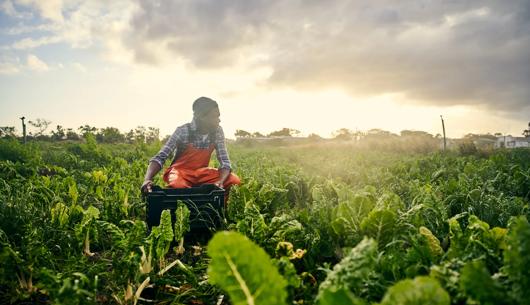
Growing forward by looking back: How utilising historic grains could improve soil health and aid climate targets

Beyond consumer confusion: Statutory bars on dairy terminology
Huel bought by Danone: Comment from M&A lawyer
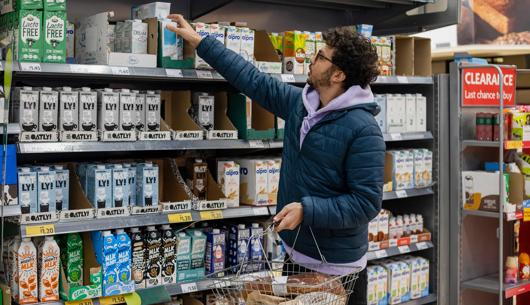
Supreme Court decision on Oatly using 'milk': Legal comment

The Modern Slavery Act 2015

Protein powder and bars: Regulating the claims

The “Brain Food” boom: What businesses need to know in 2026

M&A trends in the beverage industry: A tough shot to take?

Weight loss injections: Key lessons for food advertisers
The gut health revolution: Navigating the regulatory landscape for fibre and functional foods

Investing in wellness: Deal activity in the UK's health-conscious market
Food and drink M&A trends: High-protein products

Rise and shine: The European breakfast directive’s new year transformation
New year, new me: Food and drink legal insights in 2026
