
Making UK Infrastructure Investable
The UK government has set ambitious targets: facilitating delivery of 1.5 million new homes and 150 nationally significant infrastructure projects within this parliament, backed by a planned £725bn investment over the next decade.
This report, produced by the CBI in partnership with Browne Jacobson, sets out how the UK can unlock the private capital needed to meet these ambitions through a modernised framework of public-private partnerships (PPPs).
The report charts the history of PPPs in the UK. PPPs brought benefits — faster delivery, innovation, and risk transfer — but also raised concerns: some contracts were inflexible, others delivered poor value for money, and long-term liabilities put pressure on public finances. In 2018, the government announced it would no longer use PFIs for new projects.
The report argues this should not mark the end of PPPs, but a call for reform. A modern PPP programme must start with a simple proposition: PPPs are not a financing trick, and they are not an engineering contest — they are a delivery system for public outcomes.
It sets out five key areas requiring reform:
- Legal framework: A modernised, standardised legal framework to give investors and delivery partners the certainty they need to commit to long-term infrastructure programmes.
- Risk allocation: A principled, nationally consistent approach that allocates risk only to those best placed to control it.
- Financial models: Blended finance models, aggregated pipelines, and staged financing structures, with planning and policy risks retained on the public balance sheet to attract private capital at scale.
- Governance: A central PPP delivery body, professionalised procurement teams, and stable long-term budgets.
- Regional delivery: Statutory powers, flexible funding settlements, and integrated multi-year frameworks to ensure PPP investment is delivered effectively across every region of the UK.
A modern PPP is not a rebadged PFI. It is a programmatic, outcome-led, risk-sensible, standardised and transparent partnership model, built to support the UK's long-term infrastructure needs.
Download the report
Media coverage
- Politico: Keep calm and carry on.
- Construction News: Business lobby calls for offsite mandate in new PPP models.
- Building Better Healthcare: PPP reform blueprint unveiled at UKREiiF to unlock £725bn UK infrastructure pipeline.
- BusinessGreen: CBI calls for new generation of public-private partnerships to ramp up infrastructure investment.
- Partnerships Bulletin: CBI: Investable pipeline needed for PPP delivery.
- Healthcare Today: A new blueprint for a PPP framework to unlock UK infrastructure investment.
- Insider Media: “Plans alone don’t pour concrete” - CBI calls for “consistent, reliable model” for private capital.
- WiredGov: CBI CEO urges the UK to unlock a new era of public-private partnerships.
- Local Government Lawyer: Law firm partners with CBI to create new PPP framework.
- Solicitors Journal: CBI and Browne Jacobson launch PPP framework.
- Business News Wales: CBI and Browne Jacobson set out blueprint for new national PPP framework.
- Yorkshire Times: CBI and Browne Jacobson set out blueprint for new national PPP framework.
Contact

Craig Elder
Partner
craig.elder@brownejacobson.com
+44 (0)115 976 6089
Discover more
You may be interested in

A housing-led vision for the Euston area, and why this matters beyond London

Browne Jacobson appointed by Pagabo to £26bn national development framework

How public-private partnerships could renew school estates

Exeter Development Club, November 2026

Widescale clean energy is within reach – but the legal groundwork needs to happen now

Chancellor John Healey’s inaugural speech: Legal comment on crowding in private investment

Local government reorganisation and construction contracts

Browne Jacobson named on Government Commercial Agency’s legal panel for public sector

National Planning Policy Framework 2026 published: Planning lawyers comment

School solar power purchase agreement pilot: Legal comment
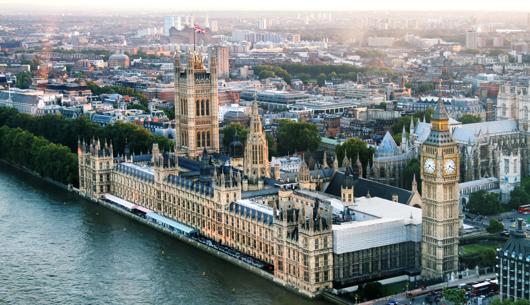
Andy Burnham becomes new UK Prime Minister: Browne Jacobson reaction

Neighbourhood health centres: From ambition to delivery
Andy Burnham sets out policy plans in first major speech in PM leadership bid: Legal comments
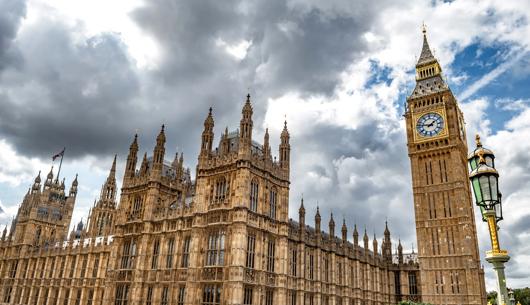
Sir Keir Starmer resigns as UK Prime Minister: Reaction from Browne Jacobson

Investment zones and Freeports in Wales: Key insights from UKREiiF 2026

Public-Private Partnerships: Lessons from UKREiiF 2026

Leveraging private finance for public infrastructure: Shaping future PPP models

CBI and Browne Jacobson set out blueprint for new national PPP framework to unlock UK infrastructure investment

Making UK Infrastructure Investable

Making neighbourhood working work: Tips for public sector leaders

Browne Jacobson calls on local government and healthcare experts to inform ‘neighbourhood working’ project

New guidance published by NISTA on managing PFI contracts

Browne Jacobson and CBI to launch report on future of PPPs in financing infrastructure at UKREiiF

Neighbourhood health framework: Initial observations for social care clients

Navigating PFI expiry and transition: Guide for organisations

Gearing up for PFI contract expiry
Managing PFI contractor liquidation: A short guide for contracting authorities

UK-EU defence fund talks collapse: A missed opportunity
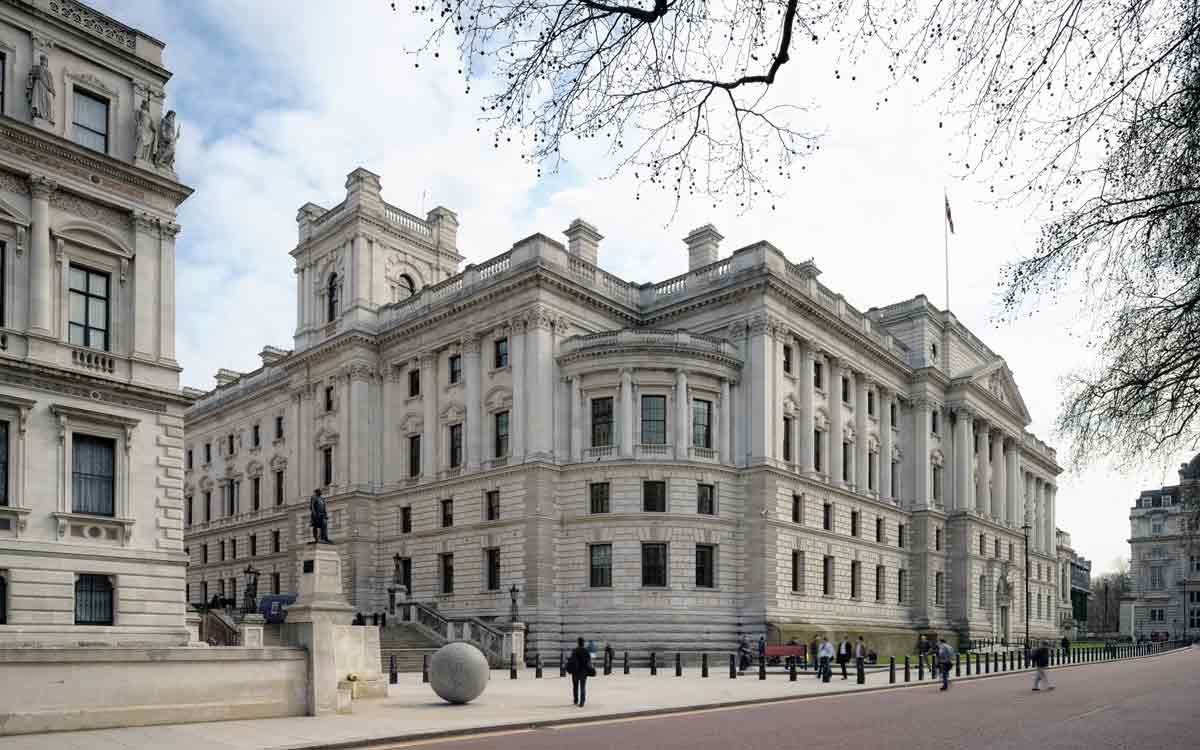
Browne Jacobson responds to the Autumn Budget 2025

Autumn Budget 2025 sector predictions: Government
Browne Jacobson and CBI join forces to champion revival of PFI-style models for infrastructure investment

Innovative housing strategies for councils after ‘asylum hotels’ injunction

Browne Jacobson comments on the government's 10 year infrastructure strategy

Practical guide to the English Devolution Whitepaper

Employment Rights Bill: Will it cost more to outsource public services and back-office functions?

PFI expiry guidance for schools

Know your dispute resolution clauses: Key take-aways from Kajima v Children’s Ark and Lancashire Schools v Lendlease

Browne Jacobson and CBI roundtable explores how to finance public infrastructure post-PFI

King’s Speech 2024: Reaction from Browne Jacobson lawyers