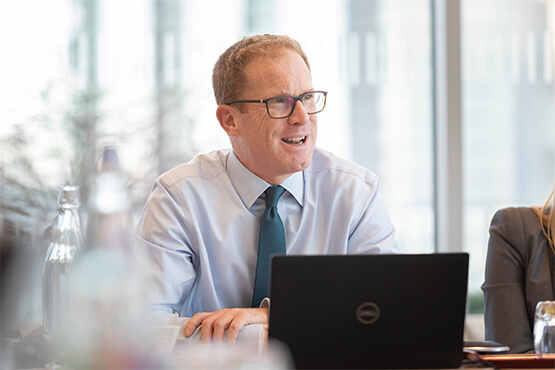
ASE inclusion at work: An employer’s guide to accent and socioeconomic inclusion
This guide is grounded in research carried out as part of Browne Jacobson’s UKRI Innovate UK-funded Knowledge Transfer Partnership with the University of Nottingham. The research involved 120 in-depth interviews and 370 survey responses with people working in professional services roles across the UK, and it gives us a clear picture of how accent bias plays out in working life.
You can use the guide to:
- Improve your awareness of accent bias.
- Help you to assess where accent bias could be showing up in your organisation.
- Develop strategies to counter accent bias which are grounded in linguistic evidence.
This research was conducted by Dr Victoria Howard and Professor Louise Mullany as part of a UKRI Innovate UK-funded Knowledge Transfer Partnership between Browne Jacobson and University of Nottingham. Additional data sourced from sourced from the Sutton Trust Speaking Up report (2022) and Accent Bias in Britain (2020).
Key stats
What is accent bias?
Accent is the way a person pronounces words and the rhythm and intonation (rise or fall) of their speech. It is shaped by many factors including culture, identity, region and heritage. It is a marker of someone’s socioeconomic background and can be interpreted as a signal of someone’s ethnicity, region, culture or social class – amongst other things.
Everyone has an accent but not all accents are treated the same way. Some are seen as more “professional” or credible than others. This is known as accent prestige. Research by the Sutton Trust (2022) found that attitudes to different accents have barely changed over time. Received Pronunciation, sometimes called King’s/Queen’s English or BBC English, is still rated as the most prestigious, while accents associated with industrial cities or ethnic minority communities tend to be rated lower. When someone is judged as more or less capable based purely on how they speak, rather than what they say or can do, that is accent bias. Linguists call it linguistic profiling
Because accent is not protected under the Equality Act 2010, it can go unchallenged in ways that other forms of discrimination would not. According to the Sutton Trust report, 46% of UK employees have experienced bias, mockery or judgement in social settings based on their accent, and 29% of senior managers from working-class backgrounds have been mocked for their accent at work. Accent bias also rarely sits alone; it often appears alongside discrimination based on other characteristics such as race and gender, making the impact even greater.
Where to look: How accent bias shows up across the employee lifecycle
Accent bias can surface at every stage of an employee’s journey with your organisation. Use this as a checklist of the areas most likely to need attention.
Work experience and access
Getting a foot in the door is much harder for people without connections. Is your access pipeline (work experience, internships, training scheme) genuinely open to people from all backgrounds?
Employees from different backgrounds often report feeling like they stand out from the moment they arrive. What does your culture signal about which voices belong?
Recruitment
Are candidates being turned down after phone or video interviews because their accent does not sound “professional”? This is a common and often unexamined pattern.
Are your interviewers and hiring panels making decisions based on how someone sounds rather than what they actually say? This is worth building into your interview training.
Workplace conversations and meetings
Are some people being talked over or overlooked in meetings? One participant in our research described seeing colleagues roll their eyes as soon as she started speaking with a European accent.
Is accent-based humour or mimicry going unchallenged? It is not acceptable, even if it feels light-hearted, and it is rarely experienced that way by the person on the receiving end.
Are assumptions being made about what people know or have experienced, and what they’d like to be involved with, based on how they speak or where they are from?
Client-facing work and professional relationships
Are people being quietly kept away from client work or high-profile opportunities based on assumptions about how they might come across?
Is your organisation making decisions on behalf of clients about which voices they will or will not respond to, without ever testing that assumption?
Progression and promotion
Are decision-makers unconsciously favouring people who sound most similar to themselves? This is one of the most common ways accent bias affects career progression, and one of the hardest to spot without deliberate scrutiny.
Are development opportunities being distributed fairly, with clear and transparent criteria?
How to tackle accent bias
1. Find out what is happening in your organisation
Collect data about socioeconomic background throughout the employee life cycle: Access, recruitment, retention, progression, engagement
Many organisations do not yet collect data on employees’ socioeconomic backgrounds. If you are not currently collecting it, the Social Mobility Commission’s employer toolkit is a practical place to start, including guidance on how to introduce data collection.
In the meantime, use what you have:
- Look at who is leaving. If certain groups are leaving earlier or more frequently than others, that is a signal worth exploring. Exit interview data is useful here. People may not name accent or class bias directly, but patterns in why people leave, and in who is leaving, can point you in the right direction.
- Look at who is progressing. If your promotion data shows that the same types of people consistently get the same opportunities, it is worth asking why. You do not need detailed socioeconomic data to notice that your leadership looks very similar year on year.
The data will not give you all the answers, but it will help you ask better questions.
Gather qualitative data
Include open-ended questions in engagement surveys that give people space to describe their experiences in their own words, rather than just rating them on a scale.
Use anonymous reporting tools and pulse surveys alongside your formal channels. Lived experience that does not surface formally often will in anonymous settings.
Make sure line managers are equipped to listen well and respond without becoming defensive. This is a skill that needs to be developed, not assumed.
Run in-depth interviews or focus groups with employees from a range of backgrounds, and make sure people genuinely feel safe to speak honestly before you ask them to share.
Work with your networks
Employee networks are a great way of making sure that people’s voices and experiences are heard, but they need to feed into senior leadership. If you don’t have a social mobility network, consider setting one up. If you do, engage it early. Employees with direct experience of accent bias should help shape your response, not just be consulted once decisions have been made.
- Consider working with external experts in language and sociolinguistics to add rigour to your research.
- Ask your networks to review your policies, processes and communications for unintentional bias. They will often spot things that others miss.
2. Take action
Build awareness across your workforce
Make sure all employees understand what accent bias is, where it shows up and why it matters. Awareness is the foundation for everything else.
- Share linguistic strategies that your people can actually use:
- “Let’s avoid mimicking accents. It can make people feel singled out.”
- “I don’t think that comment was appropriate. Can we talk about it afterwards?”
- “We are an inclusive organisation and I would like our conversations to reflect that.”
- “I’d like to hear [name] finish their point.”
- “Can we step back and think about whether we’re assessing [name’s] skills or their accent?”
- “I want to make sure we’re not making assumptions about who should be in front of clients. Let’s base that on capability, not on accent."
- If someone experiencing bias feels comfortable doing so, they might choose to say something like the example below. But the responsibility for challenging accent bias should never rest with the person affected. That responsibility belongs to everyone else in the room.
- “I’d appreciate it if we could focus on the substance of what I’m saying.”
- Remember the person at the centre of the bias: acknowledge what happened, ask what they would like to happen next, and make sure they know what support is available.
Strengthen your processes
- Review your recruitment and assessment processes to make sure they are evaluating what people say and can do, not how they sound. Accent Bias in Britain (2020) research indicates that diversity awareness and training can reduce accent bias in professionals.
- When assessing communication skills, require specific cand evidence-based feedback. Challenge any instinct to link “professionalism” or “articulacy” to a particular accent.
- Audit your promotion and development processes. Are the same people consistently getting the same opportunities? If so, ask why.
Promote diversity of voice
- Actively create space for a range of accents and voices in visible roles, client-facing work and leadership. Do not wait for it to happen organically.
- Do not assume clients want one type of voice. Many actively value hearing from people with different experiences and perspectives. Where an employee has genuine development needs around communication, address those through training and support rather than by quietly excluding them from opportunities.
- Revisit what your organisation signals about “fitting gin.” Culture is shaped by who is seen, heard and celebrated. Make sure the message you are sending is the one you intend.
When things go wrong
- Create a clear process for when bias is reported. Employees need to know it will be taken seriously.
- If a manager or colleague has made a mistake, the right response is to listen, reflect acknowledge and apologise, not to get defensive or explain it away. Make sure your people know this, and that support is available to help them get it right.
Additional support
Reach out to us for more information about our Browne Jacobson/University of Nottingham ASE inclusion at work training for decision makers.
This supports your organisation to identify bias, design it out of your activities and equip your people with linguistic strategies to challenge it.
Contact
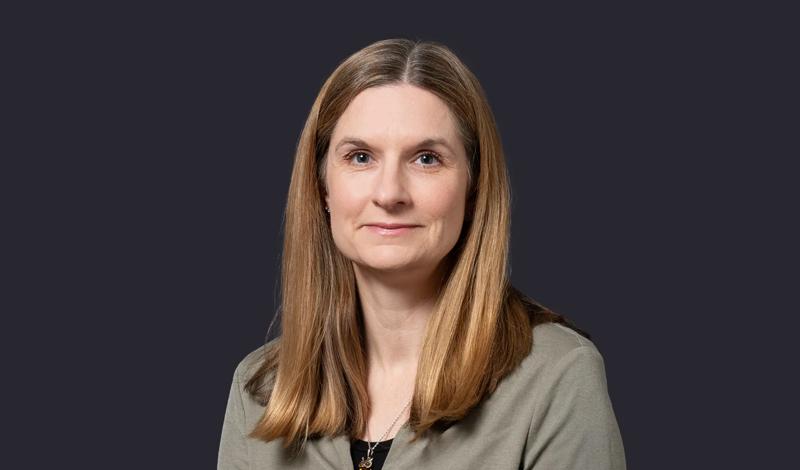
Victoria Howard
Responsible Business Lead
victoria.howard@brownejacobson.com
+44 (0)330 456 4423

Tom Lyas
Head of Resourcing & Social Mobility
tom.lyas@brownejacobson.com
+44 (0)115 934 2031
Our commitment to social mobility
You may be interested in

Browne Jacobson achieves milestone Chambers UK and Legal 500 rankings
Browne Jacobson appoints David Hill as new health and life sciences partner with UK and international experience
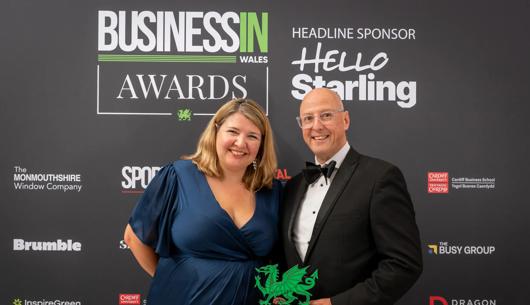
Browne Jacobson scoops double at BusinessIn Wales Awards 2026

Browne Jacobson recruits regulatory experts Caroline Barker and Tom Walker to bolster health, government and corporates practices
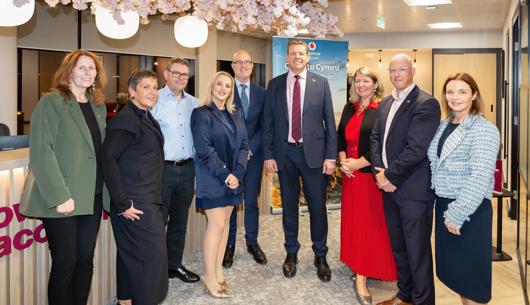
Browne Jacobson helps to launch Welsh Chapter of British Irish Chamber of Commerce
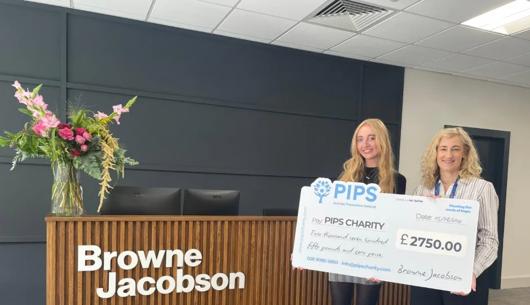
Browne Jacobson awards grant to support suicide prevention charity in Belfast
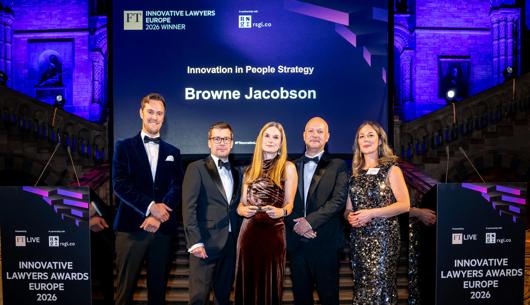
Browne Jacobson jumps into the Financial Times’ top 15 most innovative law firms in Europe

Browne Jacobson receives SBTi validation
Browne Jacobson appoints Vicky Tomlinson as Head of Independent Health and Care

Browne Jacobson announces new Nottingham home as part of continued UK and Ireland investment
Browne Jacobson strengthens All-Island life sciences platform with appointment of leading Galway MedTech lawyer
Browne Jacobson strengthens banking and finance practice with latest partner appointment Paul Duggan
Browne Jacobson appoints senior healthcare leader Professor Clive Kay as strategic adviser

Browne Jacobson adds top property litigation Partner in record real estate expansion

Browne Jacobson secures triple shortlisting at FT Innovative Lawyers Awards
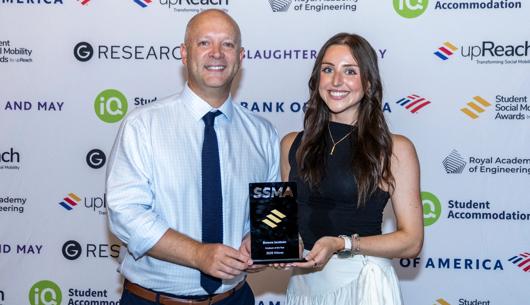
Browne Jacobson wins Employer of the Year at the upReach Student Social Mobility Awards for second year in a row

Mergermarket announces Browne Jacobson as top three firm for deal count
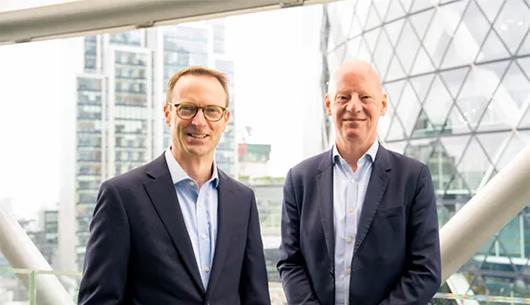
Browne Jacobson doubles down on international capability with hire of specialist insurance arbitration partner

Browne Jacobson celebrates double win at West Midlands Rainmaker Awards
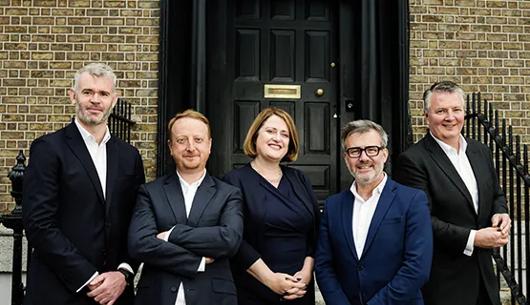
Browne Jacobson posts record revenue and sets platform for growth in island of Ireland, AI investment and partner hires

Browne Jacobson’s corporate education team recognised in industry awards
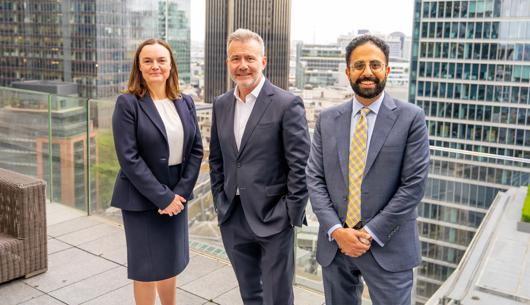
Browne Jacobson strengthens international employment practice with head of immigration, Yawar Abbas
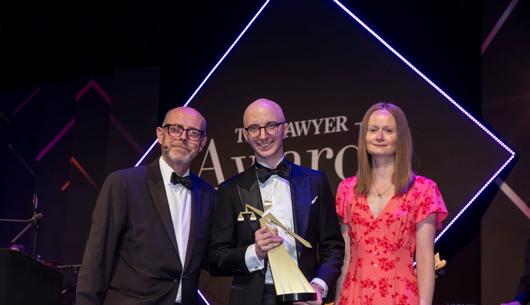
The Lawyer Awards honours Browne Jacobson education lawyer for role in tackling SEND crisis

Browne Jacobson posts record revenue and sets platform for growth through island of Ireland expansion, AI investment and record partner hires
Browne Jacobson social care lawyer appointed as Costs Judge

Browne Jacobson accelerates ambition by joining forces with Davidson McDonnell to enter Northern Ireland

Browne Jacobson advise creation of a new England healthcare trust

Browne Jacobson first law firm to back national volunteering effort

Browne Jacobson’s Caroline Green receives Lifetime Achievement Award for driving social mobility strategy
Browne Jacobson launches fifth cohort of REACH mentoring programme to support young Black lawyers

Browne Jacobson announces new partner and legal director promotions for 2026

Browne Jacobson barrister and solicitor appointed as Deputy District Judges

Browne Jacobson IP team ranked among the world’s leading trademark advisers
Browne Jacobson announces Jonathan Tardif as next Senior Partner

Browne Jacobson accelerates London growth with dual partner hire as part of UK & Ireland strategy

Browne Jacobson M&A and PE Partner Sandra Wong named in The Lawyer Hot 100

Browne Jacobson moves into new Cardiff office at One Central Square
Browne Jacobson strengthens real estate team with strategic partner appointment
Browne Jacobson corporate health partner recognised as ‘one to watch’ at national industry awards