The rising tide of civil unrest: Critical implications for insurers
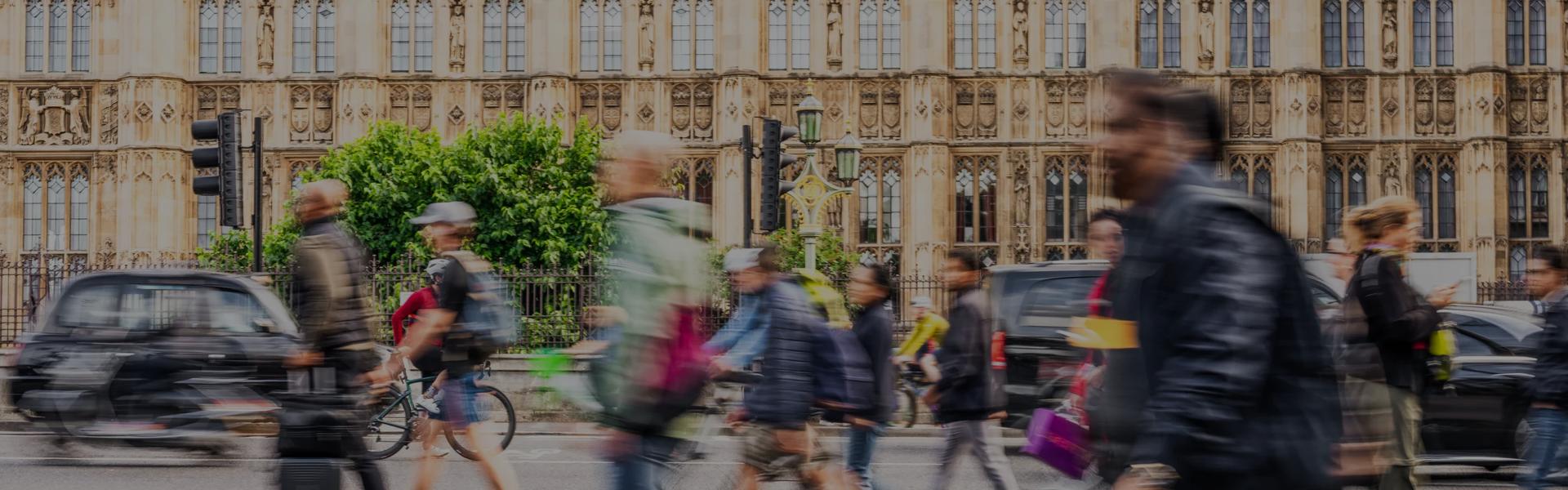
The insurance industry faces a mounting challenge as 2026 approaches, with warnings that the year will see more frequent disruptive protests and riots driven by rising political polarisation, mounting pressure on public finances, and social media's amplifying effects on civil unrest.
Verisk Maplecroft’s latest Civil Unrest Index reveals that protest activity has risen worldwide over the past two years, with demonstrations growing in size and commercial property being targeted more often, resulting in hundreds of millions of dollars in damages and business interruption.
A global phenomenon with economic consequences
The geography of unrest is broadening, touching both emerging markets and developed economies. Seven of the world’s largest economies are among the countries facing the most disruption, with Europe home to five of them: Germany, France, Spain, Italy, and the UK. The United States, recording the sharpest increase in the size of protests over the last 12 months and ranked third highest risk globally on the index, represents another potential flashpoint, whilst Brazil, Mexico, India, and Myanmar complete the top 10.
Beyond sheer size and frequency, the nature of unrest is evolving in ways that directly impact insurers. Riots and demonstrations are increasingly targeting commercial assets and infrastructure, leading to higher property damage and business interruption claims. Over the last year, 53 countries saw an uptick in attacks against commercial property during protests. For example, riots in Indonesia in August caused an estimated $50 million in insured losses. This shift means insurers must account not only for traditional property risk, but also for political violence and civil commotion risk, in markets where such perils were previously negligible.
Early warnings from insurance leaders
Insurance executives are already sounding the alarm about these trends. Munich Re, one of the world’s largest reinsurers, recently cautioned that tepid economic growth in Europe could fuel more riots and civil commotion. With Eurozone GDP growth forecasts lagging behind the U.S. and China, pressure on household purchasing power may translate into greater social instability. Such warnings highlight that insurers view civil unrest not as a distant political issue, but as a material risk to their portfolios – akin to natural catastrophes or cyber threats.
Implications for insurer strategy
The rise in civil unrest frequency and severity carries significant implications for how insurers operate:
1. Underwriting and pricing
Insurers need to recalibrate underwriting models to account for political violence and civil commotion risk in regions historically considered stable. Higher expected loss frequencies from riots and protests will necessitate updated pricing, tighter coverage terms (such as exclusions or sublimits for strike, riot and civil commotion (SRCC) events), and careful accumulation management in exposed urban areas.
2. Risk assessment
Developing more sophisticated risk intelligence capabilities is crucial. Insurers should leverage political risk analytics (like indices from Verisk Maplecroft) to identify hotspots and monitor socio-political trends. This can inform portfolio steering; for instance, limiting property exposure in cities with surging unrest risk, or working with clients on resilience measures.
3. Claims and reserves
The industry’s recent experience from the $3 billion insured loss tally of the 2020 U.S. unrest to the multi-country events exceeding $1 billion shows that civil unrest can produce catastrophe-level losses. Insurers must ensure they hold adequate reserves and reinsurance protection for such scenarios. Claims teams should also be prepared for surges in volume, requiring robust catastrophe response plans similar to those used for natural disasters.
4. Client advisory
There is an opportunity for insurers to support commercial policyholders with risk mitigation advice. This could range from security measures and crisis management planning to parametric covers that trigger payouts when unrest disrupts operations. Insurers who help clients proactively manage civil unrest risk can reduce losses and strengthen client relationships.
Building resilience amid unrest
In summary, the heightened civil unrest outlook for 2026 is a wake-up call for insurers to treat these events as a core strategic risk. Traditional property and casualty approaches must evolve to integrate political risk expertise. By updating underwriting practices, improving real-time risk monitoring, and collaborating with insured businesses on preventative strategies, insurers can better navigate the challenges posed by a world in upheaval. As global protests continue to swell in number and impact, the insurance industry’s ability to adapt will be critical in maintaining resilience for both their balance sheets and their clients’ livelihoods.
Contents
- Insurance Insights: The Word, December 2025
- Autonomous vehicles framework: Government consultation signals new era for motor insurance
- The nicotine pouch epidemic: What insurers need to know
- The AI arms race: Fraudsters vs insurers in the battle against fake claims
- Sunscreen scandal as products fail to meet SPF claims
- Conditions precedent to liability: Why clear policy wording matters
Contact

Jeanette Flowers
Claims Handler
Jeanette.Flowers@brownejacobson.com
+44 (0)330 045 2178

Tim Johnson
Partner
tim.johnson@brownejacobson.com
+44 (0)115 976 6557
You may be interested in

Liberty Managing Agency v Chedid: Allegations alone insufficient to avoid D&O cover

Britain's e-scooter crisis: What insurers need to know

War risk insurance: why ancient clauses are failing modern conflict

ChatGPT and the FCA: regulation comes knocking?
A 'tidal wave' of PFAS for AI

Claims definitions: Why the FCA's latest focus matters

AI-enabled attacks are scaling: what the UK warnings mean for insurers (and their lawyers)

Insurance insights: The Word, August 2026

When AI goes off-script: What the OpenAI incident means for insurers

Why continuous monitoring will define AI insurance (and what it changes for insurers)

LMA wording excludes Hormuz 'toll' payments: What this means for insurers

The insurance implications of the recent personal care products chemical contamination study

When futuristic design costs lives: Implications of Tesla’s hidden handle product recall

Six minutes from crisis to covered: How artificial intelligence is transforming pet insurance claims

Perils: Property insurance claims newsletter, August 2026
UK property insurance in 2026: Five trends reshaping risk, pricing and coverage

Nord Stream v Lloyd's: War risk exclusions, indirect causation and the limits of pipeline cover

Under the weather: How COVID-19 satisfactorily defeated CP Holdings’ €160m insurance claim
Fire risks for UK insurers: Solar panels, lithium-ion batteries and hash oil explosions
Willis’ parametric trigger cracks the flood cover gap

Secondary perils, record losses and a widening protection gap: What the data means for insurers in 2026

Insurance insights: The Word, July 2026
Why professionals who ignore AI risk a negligence claim

How might AI impact fair presentation of risk in insurance?

Venezuela’s twin earthquakes: What it means for insurers

Carspreading and the next motor insurance shock: Why ever-bigger cars matter for claims, pricing and regulation

TFA in UK rivers: Potential implications of trifluoroacetic acid contamination for insurers

Martyn’s Law statutory guidance: Key considerations for organisations and their insurers

Fundamental dishonesty in personal injury claims: Implications for insurers' claims strategy

Browne Jacobson doubles down on international capability with hire of specialist insurance arbitration partner

Furlough issue: Supreme Court dismisses policyholders’ appeal on COVID-19 BI

High Court finds in favour of reinsured in COVID-19 event cancellation dispute

The Russian aircraft litigation: Court strikes out contribution claims against operator policy insurers
The Baltimore bridge collapse: Billion-dollar settlements, a looming trial, and the insurance implications for marine market participants
Insurance insights: The Word, June 2026

When AI 'hallucinates' in court: What it means for insurers

World Cup 2026: The insurance industry's biggest stress test

BYD takes on crash liability for God's Eye: What it means for motor underwriters

Paws and effect: Robot dogs take the lead at the 2026 World Cup