Venezuela’s twin earthquakes: What it means for insurers
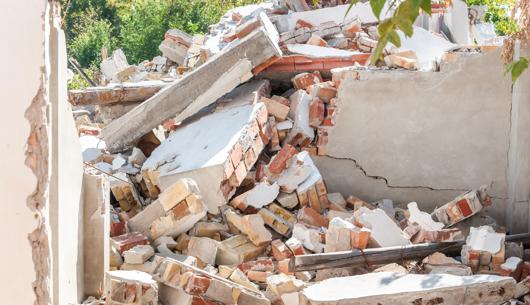
Venezuela’s back-to-back earthquakes on June 24, 2026, have generated an estimated US$6.7bn in direct physical damage. UN Development Programme (UNDP) estimates 1.7 million structures sit in affected areas and 8.6 million people were exposed to above-moderate shaking.
Insurance coverage is expected to cover only a small share of that total. Insurance Business framed the event as a textbook example of a severe protection gap, as there is multi billion economic damage with minimal insurance coverage. The cost for most of the damage is unaccounted for.
The number insurers should focus on
UNDP is explicit that the estimated $6.7bn loss is attributable to “direct physical damage” (mainly buildings and assets). This excludes longer-run disruption and repair costs. The UNDP notes total economic impact often reaches 1.5x to 3x the direct damage cost. This means the ultimate damage costs could plausibly be far higher than the first headline number.
This has implications on insurers, even if insured losses are minimal, because the claims environment can still deteriorate, which raises loss expenses and business interruption (BI) durations on those risks that are insured.
Claims inflation risk: Power outages
UNDP also reports an increase in power outages after the earthquake in several areas, based on reductions in night-time lighting.
This is an issue for insurers as power outages and limited access are classic grounding for BI claims. Insurers should check that their policy wording covers these situations clearly and be ready to assess damage using satellite data) when sites are hard to reach, following catastrophic events.
The growing protection gap in practice
Swiss Re’s Institute highlights a widening global protection gap, estimating it reached US$424bn in 2025. Venezuela’s earthquakes are a clear illustration of the impacts that the growing protection gap can have within a country that is experiencing severe loss, and limited coverage.
Following the event, insurers have an opportunity for growth, potentially using new approaches such as:
- Parametric quake covers, which pay out depending on the size and strength of earthquakes.
- Simple small-business packages with clear limits and deductibles.
- Public-private risk pools.
Consequences for insurers
Insurers should pay close attention to BI losses, because lost trading time can cost more than repairing the building, particularly if the consequences of the earthquake make rebuilding take longer. Insurers should also check whether their wording clearly explains whether closely timed earthquakes are treated as one event or two.
Finally, insurers will want to consider assessing rating to take account of the higher risk in older buildings that haven’t been strengthened, especially where construction quality is poor.
Contents
- Insurance insights: The Word, July 2026
- Auditor negligence and causation: Wine Enterprise Investment Scheme Ltd v Crowe UK LLP
- Why professionals who ignore AI risk a negligence claim
- How might AI impact fair presentation of risk in insurance?
- Carspreading and the next motor insurance shock: Why ever-bigger cars matter
- TFA in UK rivers: Potential implications of trifluoroacetic acid contamination for insurers
Contact
Jeanette Flowers
Claims Handler
Jeanette.Flowers@brownejacobson.com
+44 (0)330 045 2178

Tim Johnson
Partner
tim.johnson@brownejacobson.com
+44 (0)115 976 6557
You may be interested in

Liberty Managing Agency v Chedid: Allegations alone insufficient to avoid D&O cover
Britain's e-scooter crisis: What insurers need to know

War risk insurance: why ancient clauses are failing modern conflict
ChatGPT and the FCA: regulation comes knocking?
A 'tidal wave' of PFAS for AI

Claims definitions: Why the FCA's latest focus matters

AI-enabled attacks are scaling: what the UK warnings mean for insurers (and their lawyers)

Insurance insights: The Word, August 2026

When AI goes off-script: What the OpenAI incident means for insurers

Why continuous monitoring will define AI insurance (and what it changes for insurers)
LMA wording excludes Hormuz 'toll' payments: What this means for insurers

The insurance implications of the recent personal care products chemical contamination study

When futuristic design costs lives: Implications of Tesla’s hidden handle product recall

Six minutes from crisis to covered: How artificial intelligence is transforming pet insurance claims

Perils: Property insurance claims newsletter, August 2026
UK property insurance in 2026: Five trends reshaping risk, pricing and coverage
Nord Stream v Lloyd's: War risk exclusions, indirect causation and the limits of pipeline cover
Under the weather: How COVID-19 satisfactorily defeated CP Holdings’ €160m insurance claim

Fire risks for UK insurers: Solar panels, lithium-ion batteries and hash oil explosions
Willis’ parametric trigger cracks the flood cover gap
Secondary perils, record losses and a widening protection gap: What the data means for insurers in 2026

Insurance insights: The Word, July 2026
Why professionals who ignore AI risk a negligence claim

How might AI impact fair presentation of risk in insurance?
Venezuela’s twin earthquakes: What it means for insurers

Carspreading and the next motor insurance shock: Why ever-bigger cars matter for claims, pricing and regulation

TFA in UK rivers: Potential implications of trifluoroacetic acid contamination for insurers

Martyn’s Law statutory guidance: Key considerations for organisations and their insurers

Fundamental dishonesty in personal injury claims: Implications for insurers' claims strategy
Browne Jacobson doubles down on international capability with hire of specialist insurance arbitration partner

Furlough issue: Supreme Court dismisses policyholders’ appeal on COVID-19 BI

High Court finds in favour of reinsured in COVID-19 event cancellation dispute
The Russian aircraft litigation: Court strikes out contribution claims against operator policy insurers
The Baltimore bridge collapse: Billion-dollar settlements, a looming trial, and the insurance implications for marine market participants
Insurance insights: The Word, June 2026

When AI 'hallucinates' in court: What it means for insurers
World Cup 2026: The insurance industry's biggest stress test

BYD takes on crash liability for God's Eye: What it means for motor underwriters

Paws and effect: Robot dogs take the lead at the 2026 World Cup