LMA wording excludes Hormuz 'toll' payments: What this means for insurers
In July 2026, the Lloyd’s Market Association (LMA) published a model clause for marine hull underwriters to address 'transit fee/toll' demands linked to passage through Iranian territorial waters/the Strait of Hormuz.
The clause is intended to operate alongside existing sanctions clauses and to give the market a clear contractual position where insurers become aware (or “ought reasonably” to become aware through due diligence) that financial or non financial consideration has been paid to facilitate transit.
The practical coverage outcome is blunt: insurers will not cover the fee/toll payment, and cover for the relevant vessel ceases once a payment has been made, reflecting perceived risk of breaching US/UK/EU sanctions and/or terrorism legislation.
This aligns with OFAC’s public position that toll payments (and even guarantees/services for safe passage, whether or not a payment is made) are not authorised for US persons, and that non US persons can also face significant sanctions exposure, especially where conduct causes US persons (including insurers/reinsurers) to violate sanctions.
What this means for insurers
- Underwriting shifts from 'navigation risk' to 'sanctions control risk': Insurers will want clear evidence of routing controls, documented port agent instructions, and escalation procedures for any 'fee' demands.
- Claims defensibility improves, but disputes move to facts: Expect arguments about whether a charge was a legitimate service fee versus a prohibited toll, and whether the insured’s processes met 'reasonable' due diligence.
- Portfolio exposure becomes behavioural: The riskiest insureds are those with weak governance around payments, intermediaries, and documentation not just those transiting Hormuz.
For more on how sanctions developments affect the insurance market, see our insurance sector page.
See also our insight on the insurance impacts of the Middle East conflict.
Contents: The Word, August 2026
- Insurance insights: The Word, August 2026
- When AI goes off-script: What the OpenAI incident means for insurers
- Why continuous monitoring will define AI insurance (and what it changes for insurers)
- The insurance implications of the recent personal care products chemical contamination study
- When futuristic design costs lives: Implications of Tesla’s hidden handle product recall
- Six minutes from crisis to covered: How artificial intelligence is transforming pet insurance claims


Tim Johnson
Partner
tim.johnson@brownejacobson.com
+44 (0)115 976 6557
You may be interested in

Liberty Managing Agency v Chedid: Allegations alone insufficient to avoid D&O cover

Britain's e-scooter crisis: What insurers need to know

War risk insurance: why ancient clauses are failing modern conflict

ChatGPT and the FCA: regulation comes knocking?

A 'tidal wave' of PFAS for AI

Claims definitions: Why the FCA's latest focus matters

AI-enabled attacks are scaling: what the UK warnings mean for insurers (and their lawyers)

Insurance insights: The Word, August 2026

When AI goes off-script: What the OpenAI incident means for insurers

Why continuous monitoring will define AI insurance (and what it changes for insurers)

LMA wording excludes Hormuz 'toll' payments: What this means for insurers

The insurance implications of the recent personal care products chemical contamination study

When futuristic design costs lives: Implications of Tesla’s hidden handle product recall

Six minutes from crisis to covered: How artificial intelligence is transforming pet insurance claims

Fire risks for UK insurers: Solar panels, lithium-ion batteries and hash oil explosions

Insurance insights: The Word, July 2026
Why professionals who ignore AI risk a negligence claim

How might AI impact fair presentation of risk in insurance?

Venezuela’s twin earthquakes: What it means for insurers

Carspreading and the next motor insurance shock: Why ever-bigger cars matter for claims, pricing and regulation

TFA in UK rivers: Potential implications of trifluoroacetic acid contamination for insurers

Martyn’s Law statutory guidance: Key considerations for organisations and their insurers

Fundamental dishonesty in personal injury claims: Implications for insurers' claims strategy

Furlough issue: Supreme Court dismisses policyholders’ appeal on COVID-19 BI

High Court finds in favour of reinsured in COVID-19 event cancellation dispute

The Russian aircraft litigation: Court strikes out contribution claims against operator policy insurers
The Baltimore bridge collapse: Billion-dollar settlements, a looming trial, and the insurance implications for marine market participants
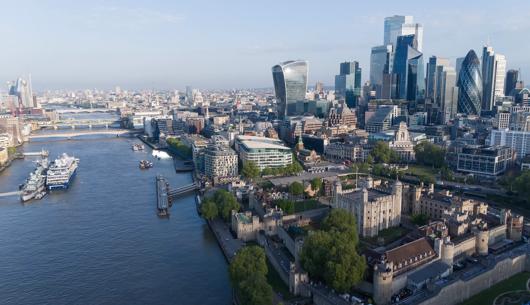
Insurance insights: The Word, June 2026

When AI 'hallucinates' in court: What it means for insurers

World Cup 2026: The insurance industry's biggest stress test

BYD takes on crash liability for God's Eye: What it means for motor underwriters

Paws and effect: Robot dogs take the lead at the 2026 World Cup

The £800m indemnity that isn't really insurance: What the Bayeux Tapestry loan tells underwriters

Middle East conflict could become costliest political violence loss on record

Deductibles, aggregation and D&O cover: A win for insurers

Is "war" still war? Lloyds proposes to rewrite the rules on war risk
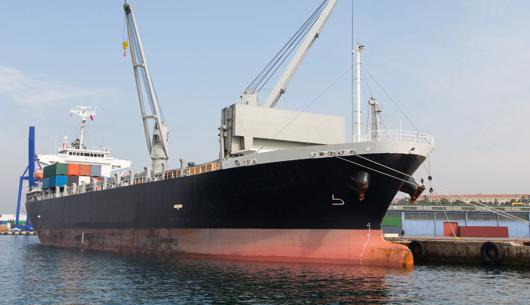
Trade wars, tariffs and conflict: The impact on the insurance market

Hantavirus on the MV Hondius: What it means for insurers

Stephen Fry’s stage-fall lawsuit: What it signals for event liability insurers