Public matters: July 2026
This month's edition of Public matters provides an overview of the key legal, regulatory, and policy developments affecting UK public sector bodies and employers, spanning areas from housing and children's social care to employment rights and environmental obligations, set against the backdrop of significant political change.
Our response to Andy Burnham as the new UK Prime Minister
Experts from across a wide range sectors within Browne Jacobson react to a major political change for Britain and what this may mean for key segments of the economy.
When is a subsidy decision actually made?
The Competition Appeals Tribunal (CAT) in Mr Graham Thomas and Others v Durham County Council provides much needed clarity on the question of when a subsidy ‘decision’ has been made. We cover the key learnings for subsidy control.
Burnham's bold housing plan: Rough sleeping and council homes
Andy Burnham has pledged to end rough sleeping and deliver the biggest council house building programme since the post-war period. We explore the legal reform and funding models needed.
Biodiversity Net Gain (BNG): 2026 changes for LPAs
2026 has brought the most significant package of reforms to the BNG regime since it became law two years ago. Public sector bodies should take note of what has changed and what is coming next.
Is your local authority legally prepared for wildfires?
Across the UK, changing weather patterns are increasing the frequency and severity of fire events, and public bodies and local authorities are finding themselves at the centre of the legal and operational response.
Child sexual abuse claims: The end of the limitation period
Section 95 of the Crime and Policing Act 2026 removes the three-year limitation period for civil personal injury claims arising from child sexual abuse. For local authorities and their liability insurers, this is a development that warrants careful consideration.
Foster reform 2026: Simpler rulebook and 'ordinary life'
DfE has opened a consultation on updated fostering standards and guidance. Local authorities and independent fostering agencies can use the reform as a moment to reset day-to-day practice around the things carers and children feel most.
New children’s social care model confirmed
The UK Government has confirmed five new Regional Care Co-operatives, bringing the total to seven and extending the new model of children's social care to more than 100 local authorities across England.
Public sector employment insights
New apprenticeship behaviour verification
Skills England published new guidance on placing sole responsibility on employers to verify apprentice workplace behaviours at the point of programme completion.
Right to work checks
The duty on businesses and organisations to prevent illegal working is set to expand beyond traditional employment relationships.
Employment Rights Act 2025
Trade union right of access
The government has now published its response to the consultation and laid the final statutory Code of Practice: Right of trade unions to access workplaces.
High value unfair dismissal claims
It is widely anticipated that the changes brought in by the ERA 2025 will increase the number of unfair dismissal claims pursued in the employment tribunal, and a possibility that highly paid senior employees may consider a claim.
Fair Work Agency’s approach to holiday pay
Employers will be required to keep records demonstrating compliance with annual leave rules. The FWA will also be responsible for promoting and investigating compliance, and acting where employers fail to meet their holiday pay obligations.
Catch up on the latest insights
Our hub brings together all of our latest insights and guidance in one place, helping you stay informed and prepared for the changes ahead.
New rules on detriments for industrial action
The ERA 2025 will protect workers who participate in lawful industrial action from being subject to a detriment. We look at the outcome of the consultation and what it means for employers.
Union ballots go digital
Following a consultation, the government has now published its response confirming its intention to introduce electronic and workplace voting methods for statutory trade union ballots.
Consultation on access and unfair practices
The ERA 2025 includes reforms intended to simplify the trade union recognition process, including reforms to trade union access and unfair practices during the recognition and derecognition process.
Contact

Craig Elder
Partner
craig.elder@brownejacobson.com
+44 (0)115 976 6089
Discover more
Related expertise
You may be interested in

Andy Burnham’s speech on devolved nations: Legal comment

Deprivation of assets and care home fees: Guide for local authorities

Browne Jacobson supporting Bedford Borough Council on Universal United Kingdom Resort

Thirlwall's cot cam recommendations: Procurement and the supply chain

Browne Jacobson recruits regulatory experts Caroline Barker and Tom Walker to bolster health, government and corporates practices

Public matters: September 2026

FGDM before care proceedings: Why 'offer made' won’t be enough (and what councils should evidence)

The Milburn Review: A call to action for employers

Neighbourhood health trailblazers launch: Legal comments

Latest judgment under the Procurement Act 2023: Urgency and accuracy of notices under scrutiny

Welsh Local Government Association conference: Comments from devolution expert

Local government reorganisation plans to be paused: Legal comment

Chancellor John Healey’s inaugural speech: Legal comment on crowding in private investment

Public matters: August 2026

High Court strikes out claim for £2.8m against 11 defendants in education and public law dispute

Browne Jacobson named on Government Commercial Agency’s legal panel for public sector

Government Legal Department (GLD) online training

Browne Jacobson’s Head of Government Peter Ware appointed to National Citizens Advice Trustee Board

High Court ruling on weekend courses and student loans: Legal comment

Recent developments and social public works clauses for Welsh construction contracts over £2m

Andy Burnham launches ‘new era of devolution’: Legal comment

Public matters: July 2026

Is your local authority legally prepared for wildfires?

Biodiversity Net Gain: 2026 changes for LPAs

Technical education pathways announcement: Legal comment

Can Andy Burnham end rough sleeping and deliver the biggest council house building programme since the post-war period?
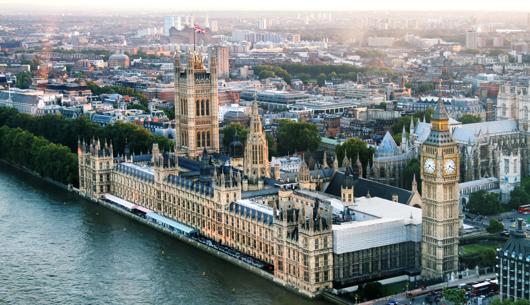
Andy Burnham becomes new UK Prime Minister: Browne Jacobson reaction

When is a subsidy decision actually made?

Child sexual abuse claims: The end of the limitation period and what it means for local authorities and insurers

Public matters: June 2026
Andy Burnham sets out policy plans in first major speech in PM leadership bid: Legal comments

What NHS ConfedExpo taught us about neighbourhood health

AI in local decision-making: Old duties, new risks

Empty homes and CPO: What local authorities need to know

Cabinet Office publishes new guidance on Insourcing and the Public Interest Test
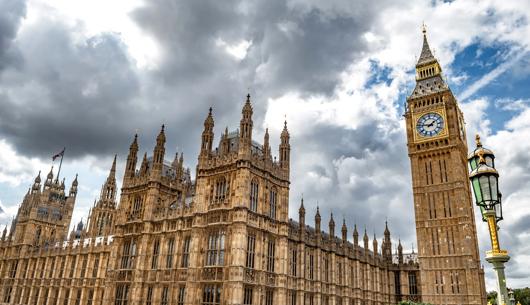
Sir Keir Starmer resigns as UK Prime Minister: Reaction from Browne Jacobson

The new EHRC Code of Practice: What universities should do now

Browne Jacobson social care lawyer appointed as Costs Judge
Tackling the temporary accommodation challenge: Notes for councils at UKREiiF