

Google-Constellation nuclear uprate deal: What this means for the UK’s data centre power strategy
Google has entered a 20-year power purchase agreement with Constellation Energy to fund reactor "uprates" across its US nuclear fleet.
Responding to the news, Zoe Stollard, Partner in energy and infrastructure at UK and Ireland law firm Browne Jacobson, commented:
“The UK’s data centre developers in the UK will be watching the deal closely to replicate it. The UK has everything it needs to create the Google-Constellation model, as long as developers, operators and government push for it.
“Google’s deal will get more out of existing reactors, using a long-term contract to give Constellation the financial certainty it needs to upgrade equipment across eleven existing plants – and without building a new one.
“We've seen this model work in the UK: EDF has been squeezing more output out of its AGR stations for years, 263 TWh more than originally anticipated since 2009. EDF has also said Sizewell B could keep running until 2055, but getting the right commercial deal in place is the sticking point. A long-term supply contract with a big corporate customer is one way to overcome this barrier. That is the gap a hyperscaler anchor-customer PPA, of the kind Google has just signed, is designed to fill.
"With Rolls-Royce's SMR programme and Sizewell C's Final Investment Decision already reshaping the UK's new-build pipeline, uprating existing capacity is faster to deliver and sits on sites that are already licensed, connected to the grid and embedded in their communities. For data centre operators facing multi-year connection queues, a credible uprate-backed PPA could, in principle, bring new capacity online years before a new SMR fleet or large-scale reactor reaches commercial operation.
"The practical question for the UK is whether the regulatory and commercial frameworks exist to replicate this model here. Funding uprates through a bespoke, bilateral PPA with a single corporate anchor customer sits outside how EDF's existing fleet investment has traditionally been financed, and it raises genuine questions around security of supply, allocation of uprate and outage risk, and how a data centre operator's capacity rights would interact with wider grid obligations. Developers who want first-mover advantage in this space should be thinking now about how an uprate-PPA structure would need to be adapted for the UK regulatory and contracting environment, rather than waiting for a domestic precedent to emerge.
"Ultimately, none of this happens by without a concerted and collaborative effort. The US deal came together because Google pushed for it, structuring and underwriting a model. If the UK wants hyperscaler capital funding uprates across our own fleet, it will take developers, operators and government pushing for the commercial and regulatory framework to catch up.”
Contact

Felicity Spencer-Smith
PR & Communications Manager
felicity.spencer-smith@brownejacobson.com
+44 (0)3300451376
You may be interested in
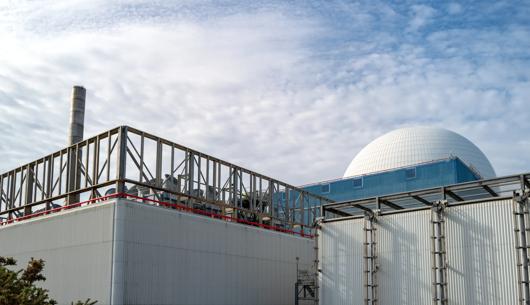
Google-Constellation nuclear uprate deal: What this means for the UK’s data centre power strategy

Employment Appeal Tribunal gives guidance on the use of generative AI in preparation of documents: Hancox v Sutherland and others

Duty on employers to inform all workers of their right to join a trade union – government’s response to consultation

Browne Jacobson advises LDC on reinvestment into water and environmental specialist Stonbury

Browne Jacobson helps to launch Welsh Chapter of British Irish Chamber of Commerce

Browne Jacobson advises WhiteSpider on deal to strengthen digital resilience across UK critical national infrastructure
Employment tribunal claim time limits to double from 1 October 2026

The UK Cyber Security and Resilience Bill: What you need to know

Widescale clean energy is within reach – but the legal groundwork needs to happen now

Contaminated land: Turning liability into opportunity

From restoration to revenue: Unlocking the strategic value of Biodiversity Net Gain
Ofgem's proposed data centre connection reforms: A significant cost to play and stay

Waste operations and installations: What the OEP’s Inspection Review means for operators

ZEV Mandate review: What could a change in direction mean for the UK automotive industry
Dealing with offensive language in the workplace
‘A New Nuclear Future’ report launch: Legal comment

Nord Stream v Lloyd's: War risk exclusions, indirect causation and the limits of pipeline cover

Tackling modern slavery: What the UK's new proposals mean for businesses and public bodies

Rising grid constraints costs: Legal comment

School solar power purchase agreement pilot: Legal comment

Browne Jacobson secures triple shortlisting at FT Innovative Lawyers Awards

Andy Burnham becomes new UK Prime Minister: Browne Jacobson reaction
New apprenticeship behaviour verification – key considerations for employers
Browne Jacobson supports Specialist Passenger Solutions in securing bus service contract for Sizewell C workers

Mergermarket announces Browne Jacobson as top three firm for deal count

Who bears the risk of the UK's EV charging shortfall?
ERA 2025: Striking a balance: Navigating the new rules on detriments for industrial action
Right to work checks: Beyond employees

Andy Burnham sets out policy plans in first major speech in PM leadership bid: Legal comments
Union ballots go digital: What is changing and when

Employment Rights Act 2025: The podcast series
Water sector liability: A record £1.85m fine for South West Water

Investment zones and Freeports in Wales: Key insights from UKREiiF 2026

Public-Private Partnerships: Lessons from UKREiiF 2026

Unpacking the Milburn report for employers and what it means for government policy

CBI and Browne Jacobson set out blueprint for new national PPP framework to unlock UK infrastructure investment

Making UK Infrastructure Investable

Algorithms in the hiring room: ICO spotlight is on automated recruitment

Browne Jacobson reacts to the King's Speech 2026