

University Hospitals of Derby and Burton NHS Foundation Trust invest in telemetry to improve maternity care and patient experience in labour
UHDB have invested in telemetry, a wireless monitoring device used during labour to continuously monitor a baby’s heart rate. Traditionally clinicians rely on cardiotocography (CTG) belts, but these require use of straps that aren’t waterproof and aren’t suitable for water births.
The benefit of using telemetry is that people in labour can be more mobile and use a birthing pool while still performing safe monitoring of the fetal heart. Telemetry devices are used at Royal Derby Hospital and Queen’s Hospital Burton.
Jane Harrington, Fetal Monitoring Lead Midwife at UHDB comments that "this is really good news for those coming to UHDB to have their baby and it means that even if pregnant people require continuous fetal heart monitoring, they have options and can develop a birth plan that is personalised to them".
This is just one of the pleasing changes that has been made across UHDB’s maternity and neonatal services to improve safety and experience for patients in pregnancy and labour.
Our specialist maternity team
At Browne Jacobson, we are committed to supporting NHS Trusts and health care organisations with delivering on their strategy to improve maternity outcomes. Please do get in touch to discuss how our specialist maternity team may be able to help.
For more resources and to learn about our specialist team, visit our maternity resources hub.

Discover more
You may be interested in...

Transforming maternity care: National expansion of the ABC programme to protect newborns

Maternal Mental Health Awareness 2025

A new chapter for families: Reflecting on the first month of the introduction of neonatal care leave
Celebrating midwives in England and Wales on International Day of the Midwife
Celebrating maternity excellence
Antenatal Screening Wales Annual Report 2022-24

The Generation study at UHDB: A pioneering approach to genetic healthcare

Improving maternity care for recent migrant women with language barriers

New rights to Neonatal Care Leave and Pay Act: What do employers need to know

Improving maternity safety: Insights from MNSI’s annual recommendation report

University Hospitals of Derby and Burton NHS Foundation Trust invest in telemetry to improve maternity care and patient experience in labour

Informed consent and caesarean birth: RCOG launches new obstetrics animation

MNSI annual report 2023/24: Key insights and future ambitions for maternity safety

Enhancing care for women with ectopic pregnancies: Insights from MBRRACE-UK

DISCERN study published: How to improve discussions with families when things go wrong in maternity care

Revolutionising patient care: Innovative kit for instant translation in 240 languages

New Government plans for NHS maternity services: What can we expect?
New online system streamlines maternity services at The University Hospitals of Derby and Burton NHS Foundation Trust

The power of parental touch for babies undergoing painful procedures

Newborns born outside of hospitals at higher risk of hypothermia during emergency responses

Health Service Journal reports on growing trend of “free birthing”

Introduction of baby loss certificates gives recognition to millions of bereaved families in the UK

Chesterfield Royal Hospital ranked amongst the top Trusts nationally in the 2023 Maternity Survey

Coronial investigations of stillbirths - summary of consultation responses

BBC investigation finds NHS interpreting service problems contributed to baby deaths and serious brain injuries

The NHS Long Term Workforce Plan 2023

HSIB publishes 'Maternity Investigation Programme: Year in Review 2022/23'

Racial disparities in maternity care
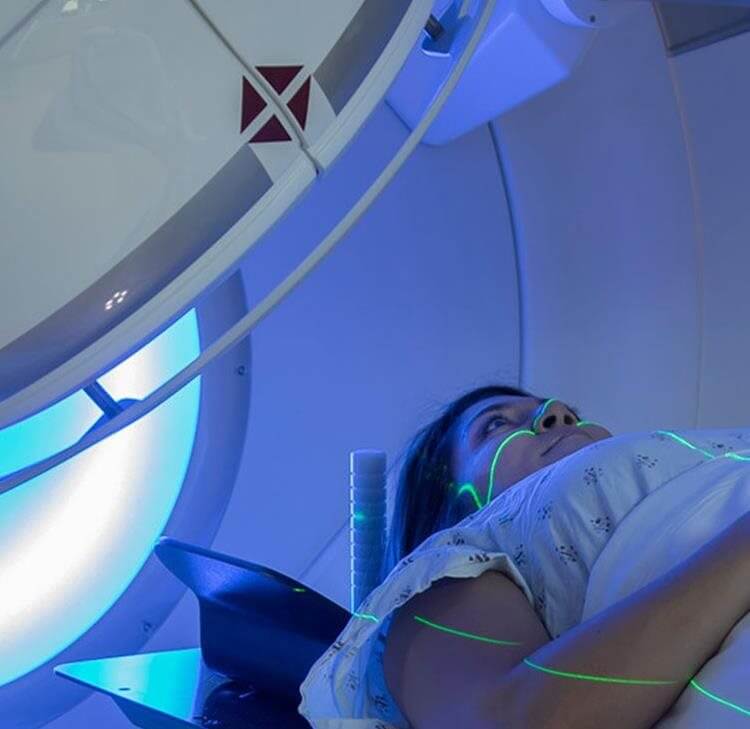
University Hospital Leicester hold their inaugural Maternity Safety Conference

Changes to redundancy protections for employees post-maternity leave
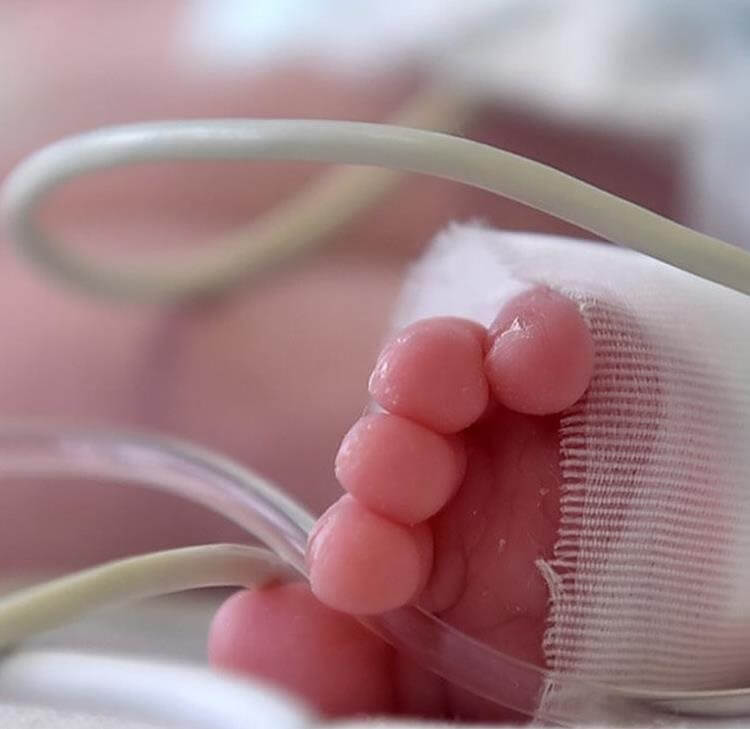
The Patient Safety Incident Response Framework (PSIRF) and its impact on maternity services
Mediation guide for Clinicians: What do you need to know and how do you need to prepare
Baby Loss Awareness Week
On Saturday 15 October a wave of light swept the internet when thousands of people flooded social media with pictures of candles to remember the babies that they have lost. This event signifies the end of Baby Loss Awareness Week which aims to break the silence that is associated with baby loss in pregnancy and infancy.
The impact of COVID-19 on maternal deaths
HSIB published its report on Maternal deaths during the first wave of COVID-19. The report takes a closer look at the impact that COVID-19 had during the initial period of March to May 2020.
The Ockenden Final Report – a blueprint for safe maternity care from ward to Board
The much anticipated final Ockenden report was published on 30 March 2020. The final report sets out the findings of the review into care provided to 1,486 families, and sets out a blueprint for safe maternity care.