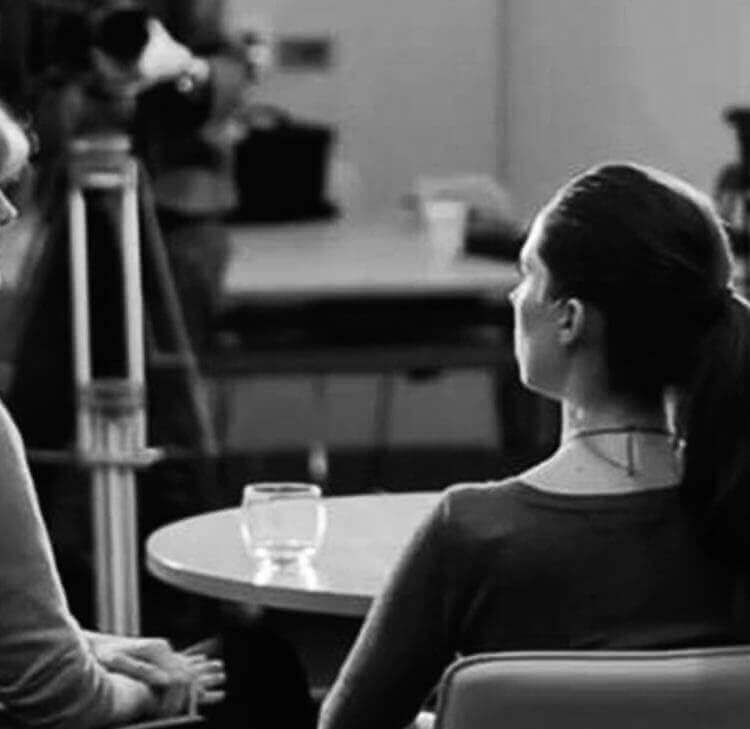

Self-care, curiosity and belonging from #EdInfluence podcast S5
Nick MacKenzie reflects on the series five finale of #EdInfluence, recorded with colleague Iain Blatherwick – former managing partner of Browne Jacobson, qualified executive coach and a firm believer in curiosity, honest debate and surrounding yourself with people who give you energy.
Our end-of-series retrospective is always one of my favourite episodes to record. It's a different format – no single guest, no single story – but there's something revealing about stepping back and asking what eight very different conversations have in common.
This time, the answer kept returning to the same quiet reckoning: no one is coming, so lead from where you are.
Help isn’t coming
Lucy Easthope named it most directly with three blunt words for emergency planners: "Help isn't coming." Steve West applied it immediately to the university sector. But the same truth ran underneath almost every other conversation, even when the words were different.
Andrew Warren talked about the courage to make decisions that will stand the test of time, knowing conditions will never be perfect. Paul Estes talked about putting your own oxygen mask on. Andy Long talked about leading through uncertainty by trusting the people around you enough to find the answers together.
It wasn't pessimism.
It was the opposite – a kind of freedom that arrives once you stop waiting. But if no one is coming, what sustains the person who has to lead anyway?
Time with no purpose
This was the thread Iain pulled hardest. Self-care came up repeatedly across the series, but not in the way you might expect. Edward Vitalis talked about going into his office, tidying his desk, sitting down and looking at the wall – that's where his thinking happens.
Lucy Easthope talked about "living in the gaps". Paul Estes used a phrase that has stayed with both of us: "time with no purpose". It sounds like a contradiction, but it isn't.
As Iain put it, there's a pressure on leaders to be seen doing something, to feel like they have all the answers.
“But actually, you have to buy yourself time to conserve energy, to make sure you do have time to think, and to make sure you're ready to go again when you need to.”
Iain is honest about what works for him: music. Any moment he can, there's music playing in his house. It takes him away from whatever is top of mind and puts things into perspective.
He referenced Matt Haig's observation that the main moments in a life aren't always the mountains climbed – sometimes they're the quiet ones, sitting on a park bench.
"I think there's a bit of us where we all need to work out it isn't all around the next mountain", he said. "We need to enjoy those simple moments too."
Curiosity over certainty
Paul Estes offered a phrase that captures something important: as he goes to bed, he's interested in a thing he doesn't know that he'll learn about tomorrow. In a world where certainty feels increasingly scarce, Iain sees curiosity as the skill that will carry people forward – whatever the future of work looks like. "For people who are curious about how things work, for people who want to carry on learning, these are the skills that will see people through", he said.
But curiosity needs the right conditions. Lucy Easthope raised a governance point that Iain keeps returning to: have we lost the ability to debate? Too many conversations are taken personally. Too many meetings become about scoring points rather than genuinely changing someone's mind:
“As a leader, you need to be right there at the forefront of being able to take feedback, of being able to take criticism", Iain reflected, "just so that you can ensure things don't get emotional too quickly. You do realise you are all on the same side.”
Steve West's team have a phrase for it – "pause to go faster" – where anyone can call a halt and ask what the group is flying past. That felt to me like something genuinely important: permission, built into the culture, to slow down so the conversation can catch up with itself.
Shifting from "They" to "We"
Some of the most memorable moments in the series weren't strategies or data points. They were rooms. Steve West describing how he told his leadership team he'd been crying in the garden during the COVID-19 pandemic – and finding not sympathy but recognition, because everyone was carrying the same thing.
Janet Smith recalling the exact moment a turnaround college shifted from "they" to "we", when a group of managers laughed together at something absurd on screen at the end of a long day. As Iain observed, it's easy to belong in the good years. "But when people are belonging in the tougher times, that means something."
The case for storytelling
When I asked Iain what quality he sees in young people that he wishes he had more of, his answer surprised him as much as it surprised me. Storytelling. "Kids are brilliant at telling stories", he said.
“And actually, that is how they will take people with them in the future. That is how they will become the leaders of the future – by turning facts or circumstances into something very human.”
It's not a skill we talk about enough in leadership. But across eight episodes, the guests who stayed with me longest were the ones who told stories that made something land. Not polished, not rehearsed – just honest and human.
Listen to the full conversation
The series five finale of #EdInfluence is available now. If you lead in education – or any sector where the ground keeps shifting – this conversation is worth your time. Subscribe wherever you get your podcasts, and share it with a colleague who could use the reminder that leading from where you are is enough.
#EdInfluence is Browne Jacobson's podcast series exploring the human side of leadership with some of education's most inspiring figures.
Contact

Nick MacKenzie
Partner
nick.mackenzie@brownejacobson.com
+44 (0)121 237 4564
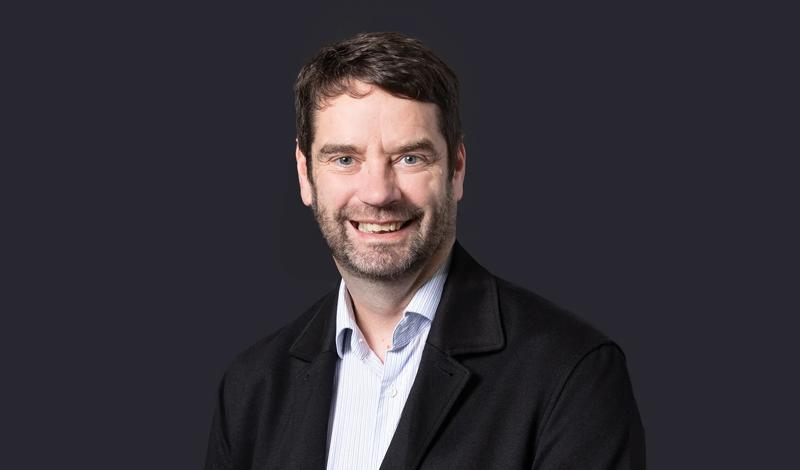
Iain Blatherwick
Partner
iain.blatherwick@brownejacobson.com
+44 (0)115 976 6183
You may be interested in...

Self-care, curiosity and belonging from #EdInfluence podcast S5

#EdInfluence podcast (series 5): In conversation with inspiring leaders

What does it take to rebuild trust in an organisation where staff feel neglected and morale has collapsed?

Pause to go faster: What a vice-chancellor learned about leading when you can't fix it
Living in the gaps: What disaster recovery teaches us about education leadership

Andy Long on trust, social mobility and leading through uncertainty
When finance expertise meets education leadership: Lessons from Liberia to the classroom

From fear to fearless: Charlotte Blant on values-led leadership
From school election defeat to AI leadership: Insights from Paul Estes
#EdInfluence podcast (series 4): In conversation with inspiring leaders
#EdInfluence podcast (series 3) - in conversation with inspiring leaders
#EdInfluence podcast (series 2) - for education leaders