
What is a Power Purchase Agreement?
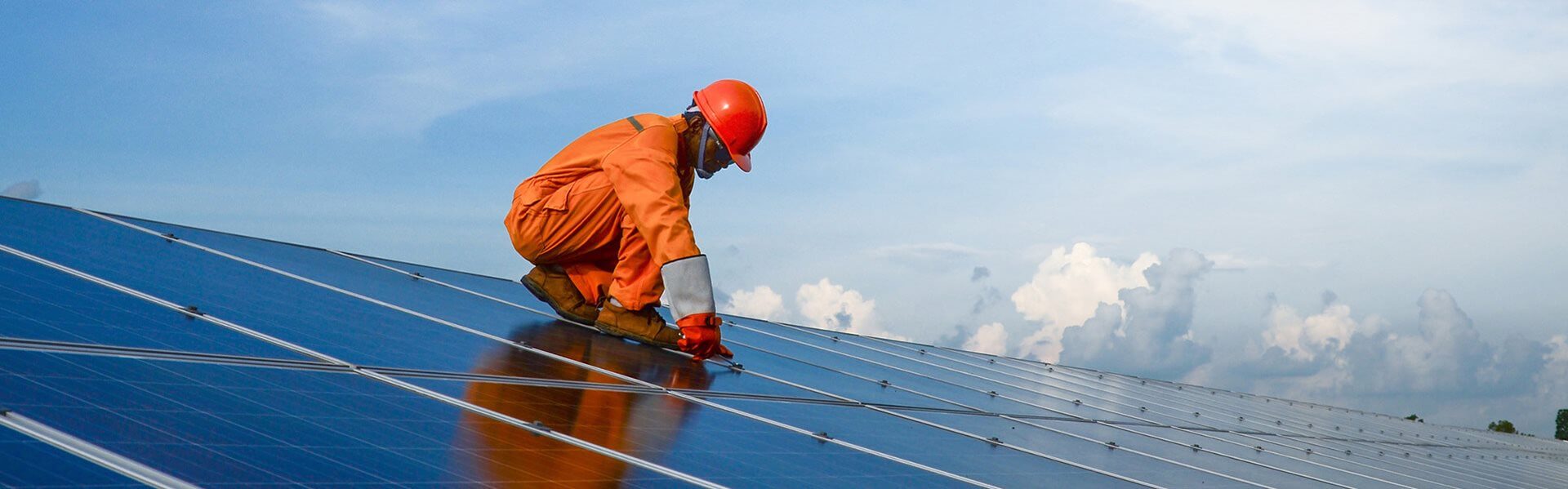
A PPA in essence is a contractual arrangement between a power producer (the Generator) and a customer (the Consumer), where the Generator installs a solar PV system on the Consumer’s property (this is a Physical PPA) at minimal upfront cost.
The Consumer benefits from reduced electricity rates, while the Generator earns revenue from the electricity sold. The PPA arrangement not only facilitates sustainable energy solutions but also provides economic advantages to both parties.
The landscape of PPAs in the UK is characterised by a variety of models, each tailored to meet diverse needs and circumstances of the Generator and Consumer. From physical or direct PPAs, where power is physically delivered from the Generator to the Consumer, to sleeved PPAs that involve an intermediary such as a utility (the Utility) to ‘sleeve’ the power through to the Consumer, and synthetic or virtual PPAs, where the physical delivery of electricity is not required, the variations are as complex as they are varied.
The PPA outlines key details such as the price of electricity and the quantity to be supplied, tailored to meet the specific needs of both parties involved. These agreements typically span long-term periods of 10 to 25 years, with the Generator being responsible for system maintenance and operations (usually through an O&M Contract) throughout the PPA term. This long-term commitment ensures continuous operation and maintenance of the energy systems, securing a stable energy supply and predictable costs.
At the end of a PPA term, the Consumer will usually have options to either extend the agreement, purchase the installed energy system, or have it removed. PPAs define all commercial terms including the project's commencement, electricity delivery schedule, penalties for non-delivery and payment conditions. Whilst this discussion focuses on electricity, similar structures exist for 'green' gas, known as Gas Purchase Agreements (GPAs), highlighting the versatility and adaptability of such agreements in promoting renewable energy consumption.
PPAs not only offer a stable financial environment for renewable projects by securing a fixed price for the electricity generated but also provide Consumers with a more predictable and often greener energy supply. This dual benefit is driving the growth of PPAs in the UK, making them a viable portion of the journey to decarbonisation.
As we delve deeper into the types of PPAs and their contracting principles, it becomes clear that understanding PPA arrangements is vital for any stakeholder. This article aims to demystify the different types of PPAs and explore the contractual principle and nuances that distinguish them, providing a comprehensive overview that aims to enlighten both novices and experts alike.
Notably, with the Sleeved PPA arrangement being a rapidly growing arrangement combining the benefits of a Physical PPA arrangement with the flexibility of a Virtual or Synthetic PPA, the predominant focus of this article will be on Sleeved PPA arrangements.
Contents

You may be interested in...

Making green energy projects viable: The lease terms developers can't afford to overlook
Browne Jacobson advises LDC on reinvestment into water and environmental specialist Stonbury
Widescale clean energy is within reach – but the legal groundwork needs to happen now

ZEV Mandate review: What could a change in direction mean for the UK automotive industry
Rising grid constraints costs: Legal comment
School solar power purchase agreement pilot: Legal comment
Freeports: The UK's forgotten inward investment opportunity
Browne Jacobson advises on sale of Transvac Systems to NYSE-listed Ingersoll Rand

Browne Jacobson comments on Sizewell C final go-ahead from government

Inward investment in the UK and Ireland in 2025: Sector focus
Nuclear PSG webinar: Conflict avoidance on major projects

UK-EU reset deal: Comments from Browne Jacobson experts

Outsourcing contracts in the age of AI

Conservation covenants: A useful tool in the toolbox?
How will US tariffs affect energy and infrastructure sectors in UK and Ireland?

US tariffs: Market chaos and implications for the UK tech sector
Browne Jacobson advises Eco2Solar on strategic sale to E.ON UK to drive residential renewable energy growth

Information Commissioner announces new AI guidance and package of measures to support the Government’s growth agenda
Navigating the currents of change: The evolving landscape of Power Purchase Agreements in the UK

Key copyright and AI ruling with broad implications for UK lawyers and beyond

Browne Jacobson advises Phenna Group on acquisition of Calibre Environmental

UK court clarifies copyright protection for "works of artistic craftsmanship"
The legal and planning hurdles that must be overcome to get Great British Energy generating
Browne Jacobson advises Howard Farms on phased sale of Mulberry Logistics Park site

How might AI impact insurer climate targets?

Future-proofing real estate: The rise of green leases

Does the subsidy control regime already need changing for the government to kickstart economic growth?

What does the election mean for Net Zero and the green ambitions of public bodies?

Browne Jacobson Ireland LLP rank across Dispute Resolution, Intellectual Property and Technology in the Legal 500 EMEA 2024

Browne Jacobson advises skills and training provider B2W Group on acquisition of ECTA Training

A blow to manufacturers as Thai Court confirms insurers’ denial of cover in wind turbine case

COP28 – key outcomes agreed and what they mean for you

COP28 - how to limit and prepare for future climate change
Public Sector Decarbonisation Scheme update October 2023: More funding announced

Copyright issues with AI webinar

Browne Jacobson advise Platform Housing on landmark deal, creating over 300 affordable and sustainable homes
The UK’s energy strategy: Is new nuclear needed?

Government to expand network and information systems regulations

NSIA: the thorn in the side of M&A?