

The CMA is watching private dentistry: Indemnifiers and insurers should too
In March 2026 the Competition and Markets Authority (CMA) quietly opened a market study into private dentistry and for dental defence organisations and insurers – it may deserve a closer look.
What is the market study?
The CMA has launched a market study into the supply of private dental services (including preventative, clinically necessary, and cosmetic treatments) across the UK. It is seeking views from dental professionals and interestingly it is also asking consumers directly to share their experiences of private dental services.
The CMA want to know:
- How private dentistry works.
- How well it works for consumers.
- Whether it could work better.
Dental professionals are being asked specifically about the services they provide, individual challenges they are facing, sector-wide challenges, and their views on how consumers make choices about treatments. The call for evidence closes at 5pm on 19 March 2026.
Key areas of potential concern for defence organisations and insurers
Consent may come under scrutiny
The CMA's explicit focus on how consumers make treatment decisions is a potential red flag for dental defence organisations and insurers. We already see a large number of dental claims based on alleged inadequate informed consent – rather than poor clinical technique. If the CMA finds that information asymmetry is widespread across private practice this may open dental practitioners up to criticism.
In our view this should serve as a reminder to dental professionals to ensure that their contemporaneous notes are comprehensive.
Cosmetic dentistry is being considered
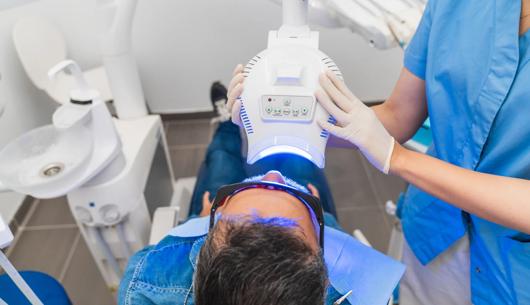
Cosmetic and elective treatments (veneers, composite bonding, clear aligners, whitening) are explicitly within the study's scope. This is precisely the area where patient expectations can often run highest and disappointment can readily translate into complaints and claims, including a high number of claims from litigants in person.
Defence organisations and insurers with members/insureds who are increasingly reliant on cosmetic income should be thinking hard about whether their risk management guidance in this space is fit for purpose.
A move towards the private model
The unavailability of NHS dentistry has driven patients and practitioners into the private market in large numbers. Where volume is high and commercial pressures are real, record-keeping can slip and consent processes may be under time pressure.
The CMA's investigation into sector-wide challenges is likely to surface dynamics that defence organisations and insurers may already recognise from their own claims data.
Regulatory reform may be coming
This market study may be the first step towards additional regulation. If the CMA makes recommendations around new transparency obligations, restrictions on how treatment options are presented, or enhanced disclosure requirements, the reasonable standard for dental professionals may shift.
What defence organisations and insurers should do now
- Engage with the CMA's call for evidence: This is an opportunity to shape the investigation's framing, not just respond to its conclusions. The deadline to share experiences with the CMA is 19 March 2026.
- Issue proactive guidance on consent: Given the CMA's focus on consumer decision-making, now is the moment to reinforce best practice around consent documentation, particularly for cosmetic and elective treatments.
- Review member-facing or insured-facing risk guidance for cosmetic dentistry: If your current guidance does not specifically address the consent, record-keeping, and patient communication challenges unique to cosmetic work, it may need updating.
- Track the consumer call for evidence: Consumer submissions are likely to reveal what patients think is going wrong in private dentistry. If that data becomes available in the public domain, it may give an insight into likely themes of future complaints/claims and preventative action can be taken to improve best practice.
If your organisation needs support navigating the CMA's call for evidence, reviewing your risk management guidance for cosmetic dentistry, or assessing your exposure as the regulatory landscape shifts, contact Bethan Parry (Partner) or Lucy Bowdery (Senior Associate) in our health litigation team, specialists in acting for health indemnifiers and insurers who can provide targeted, practical advice at each stage of this process.
Contact

Lucy Bowdery
Senior Associate
lucy.bowdery@brownejacobson.com
+44 (0)330 045 1545

You may be interested in...

Mock inquest training course

The Thirlwall Report: Key findings and actions for NHS leaders

Navigating insurance issues for NHS private patient units: Roundtable summary

GLP-1 tablets: An emerging indemnity and insurance challenge

Safe care for noncommunicable diseases: Lessons from delayed diagnosis of cancer claims

Thirlwall Inquiry report: Key findings and what they mean for NHS patient safety

AI-assisted neurosurgery: Balancing innovation and risk

Lost years claims for Child Claimants: The first post-CCC assessment

Insurance insights: Medical malpractice matters, September 2026

AI in healthcare: What the National Commission has found and why the picture is getting clearer

Early warning signs: Using US medical malpractice data to anticipate UK claims

House of Lords debate on fertility treatment regulation: Key implications for medical malpractice

Telehealth and remote consultations: Emerging medical malpractice risks for insurers

Paul v The Royal Wolverhampton NHS Trust: Guidelines inform but do not replace clinical judgment

MRO fees capped at 25%: What defendants need to know following JXX v Archibald

Shared Insights: What the National Maternity and Neonatal Investigation means for you – and what to do next

The National Maternity and Neonatal Investigation: What NHS Trusts and healthcare organisations must do now

Changes to the NHS FP17DC: What should dentists be aware of?

LM v Sussex ICB: Can you have capacity for residence if you lack capacity for care?
Extravasation in cosmetic IV therapy risk: Implications for MGAs underwriting these risks

Shared Insights: Impact of the Patient Safety Incident Response Framework (PSIRF) on preparing for inquests

Mental health crisis care and the legal gap in emergency departments

Insurance insights: Medical malpractice matters, April 2026

AI and the Litigant in Person: Risks for clinical negligence defendants

Women's Health Strategy 2026: Implications for NHS providers

Extravasation in cosmetic IV therapy: Managing legal risk

Block notifications, group actions, and the lessons of Ahmed v White & Co for medical malpractice insurers

GLP-1 weight loss drugs: Managing legal risk for prescribers

What the care leaver deaths review means for local authorities and what to do now

Meningitis outbreaks are back on the liability radar: How might this impact insurers?

When is court approval required for a looked after child's medical treatment?

Shared Insights: Coroner's question time
Secondary victim claims in clinical negligence: No recovery following birth injury
The CMA is watching private dentistry: Indemnifiers and insurers should too

MNSI data shows a fall in reported cases of HIE in England

Independent Investigation into Maternity and Neonatal Services Interim Report: Proactive steps for NHS Trusts

Rehman v Secretary of State for Health and Social Care & Others: COVID-19 care home claims struck out

High Court ruling saves fertility patients’ chance of parenthood
Medical malpractice