

US tariffs: Implications for the UK automotive sector and practical steps for businesses
The automotive sector stands to be one of the sectors most affected by new US tariffs, with President Donald Trump imposing a 25% levy on all car imports.
Given that British carmakers sold £9bn of vehicles Stateside last year – making it the UK’s largest single export – there are significant concerns of the impact this could have.
Jaguar Land Rover, Rolls-Royce and Aston Martin are among the most popular luxury car brands among American drivers, while 26,000 Minis were sold in the US last year.
The Society of Motor Manufacturers and Traders said tariffs could lead to 25,000 jobs being cut.
However, while four in five cars produced in Britain are exported, the US market accounts for only 13% of overseas sales.
Joe Davis, Principal Associate in the commercial team and Head of Automotive at Browne Jacobson, examines the potential impact of US tariffs on the sector and next steps for businesses.
Automotive industry and government reaction
The US tariffs imposed on the automotive sector, which will apply to virtually all imports of vehicles and parts, have the potential to materially disrupt an already turbulent and struggling sector.
We have seen businesses react quickly, with Jaguar Land Rover and Audi (among others) announcing they have paused imports into the US until they can fully determine the impacts these tariffs will have on their businesses.
The UK Government has also responded quickly, announcing its long-anticipated reforms to the Zero Emission Vehicle (ZEV) mandate and confirming these were accelerated in light of the impact of the US tariffs.
Industry has responded with some trepidation, claiming the changes – for example, a reduction in the fine from £15,000 to £12,000 for every zero-emission vehicle not sold below the target – do not go far enough to incentivise the sales of zero-emission vehicles to end customers.
There is also pressure on the UK Government to prioritise trade discussions with the US to support jobs and economic growth within the sector.
What can businesses do?
Rather than rely on discussions and a potential trade deal between the UK and US, businesses should be reviewing their existing contracts with both suppliers and customers to fully understand whether there are any contractual provisions that they can rely on to increase price in light of these tariffs.
Businesses should also consider updating their precedent contracts and dealing with changes to prices in any contracts they negotiate moving forwards, albeit this will depend entirely on whether third parties are willing to accept such provisions.
Contents
- Navigating US tariffs: Practical guidance for global businesses
- How will US tariffs affect energy and infrastructure sectors in UK and Ireland?
- US tariffs: Implications for the food and drink sector in UK and Ireland
- What new US tariffs mean for retail and supply chain
- US tariffs: Implications for the UK tech sector

Discover more
Related expertise
You may be interested in

Browne Jacobson helps to launch Welsh Chapter of British Irish Chamber of Commerce

Aligning UK-UAE cross-border regulation for collaboration in health and life sciences

Beyond borders, Autumn 2026

Sanitary and phytosanitary (SPS) agreement: Updates to guidance

Major UK-GCC free trade agreement and what it means for business

Beyond borders, Spring 2026

Beyond borders, Winter 2025/26

Rise and shine: The European breakfast directive’s new year transformation

Brexit reset: UK-EU SPS agreement breakthrough - September 2025 update

European Food Law Association (EFLA) Congress: Regulatory insights for the food and drink sector

Beyond Borders, Autumn 2025

Browne Jacobson advises Nottingham's Orrsum as it joins global supply chain leader Li & Fung

Beyond Borders, Summer 2025

Are local authorities going to gain powers to charge fees for intervention?

Brexit reset deal: Implications for UK-EU food and drink trade

Distribution in the UK and the EU

The EU Deforestation Regulation: Implications and actions for the fashion industry

UK-EU reset deal: Comments from Browne Jacobson experts

US-UK trade deal: Reaction from Browne Jacobson lawyers

How will US tariffs affect energy and infrastructure sectors in UK and Ireland?

What new US tariffs mean for retail and supply chain
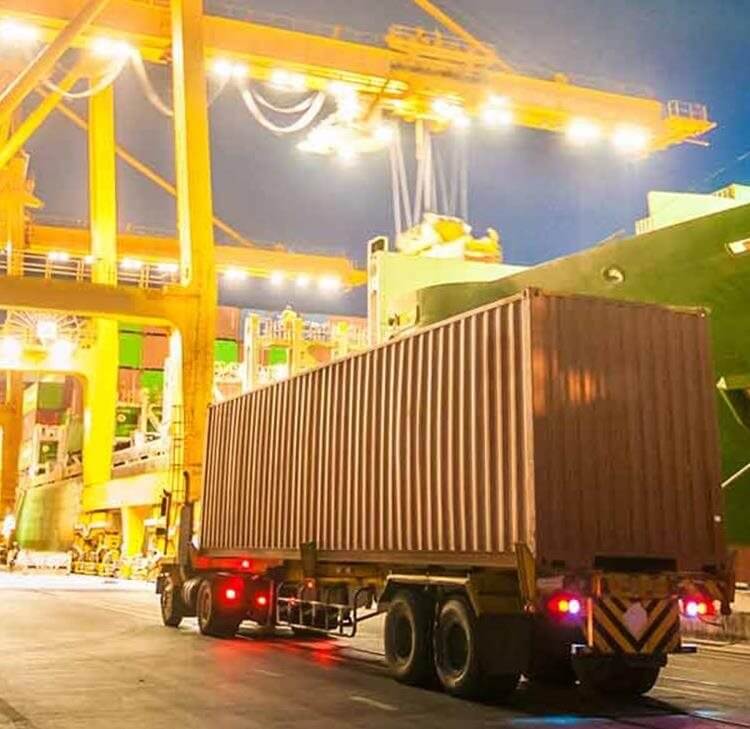
Navigating US tariffs: Practical guidance for global businesses

US tariffs: Implications for the UK automotive sector and practical steps for businesses

US tariffs: Implications for the food and drink sector in UK and Ireland and practical steps for businesses

US tariffs: Market chaos and implications for the UK tech sector

Beyond Borders, Spring 2025

Alcohol charity on the “Naughty List” for attempts to trade mark “DRY JANUARY”

Considering the growing trends of mindful drinking

DEFRA provides clarity around the GB wide 'Not for EU' labelling obligations

Beyond Borders, December 2024

The EU Cyber Resilience Act (CRA)

Navigating the waters of compliance: Understanding the Trade, Aircraft, and Shipping Sanctions (Civil Enforcement) Regulations 2024

Supreme Court re-instates injunction in Tesco fire and re-hire case
The future of food waste management in the UK: A guide for businesses

Forced labour goods: a landmark decision

Browne Jacobson contributes to report promoting greater UAE-UK collaboration in cancer care
New hope for the manufacturing sector?

Navigating Oil Price Cap legislation: LMA issues revised Cargo and Hull wordings

The Home Affairs Committee launched another inquiry into fraud - Stop! Think Fraud