

ESS Expo 2026: ESS Environmental Law Theatre with Browne Jacobson
ESS (Environmental Services & Solutions) Expo is the leading event for anyone connected to environmental services, technologies and sustainability.
About ESS Expo
The annual event hosted at NEC Birmingham, brings in 15,000+ attendees each year, including our expert team across planning, environmental and public law.
Environmental Law Theatre
This year, Browne Jacobson is launching and sponsoring the brand-new Environmental Law Theatre.
As environmental regulations tighten globally, this new dedicated space is designed to bridge the gap between environmental science and legal compliance.
The sessions hosted in Browne Jacobson's theatre will break down complex legal frameworks, policies, and compliance pressures across several critical sectors:
- Waste and circular economy: Navigating stricter waste management rules and resource productivity.
- Water quality: Understanding legal frameworks around water pollution and supply regulations.
- Land and remediation: Addressing compliance risks related to contaminated land and development.
- Evolving risks: Evaluating modern environmental liabilities, Net Zero policies, and ESG strategies.
Find out what's happening at this September's show to provide the tools, knowledge and connections to support decision-making in your organisation.
Please contact us if you have any questions about the content ahead of the events.
ESS Expo 2026: Browne Jacobson theatre agenda
Wednesday 16 September
Environmental considerations are increasingly becoming a core business requirement rather than an optional extra. This session explores how integrating environmental thinking into decision-making can reduce risk, create value, support compliance, and strengthen long-term organisational resilience, while helping businesses respond to evolving stakeholder and regulatory expectations.
Speakers
Helen Gill, Principal Associate, Browne JacobsonRichard Barlow, Partner – Planning, environmental and public law, Browne Jacobson
ESG is increasingly being shaped by policy direction, regulatory signals, and shifting market expectations. This session explores how governments and regulators are influencing environmental and social performance through evolving frameworks, disclosure requirements, and strategic priorities, and what this means for organisations navigating an increasingly structured sustainability landscape.
Speakers
Ben Standing, Partner – Planning and environmental law, Browne JacobsonVictoria Howard, responsible Business Lead, Browne Jacobson
Joanna Daley, CEO at Flotilla Group
Biodiversity Net Gain introduces a formal requirement to deliver measurable improvements to biodiversity through development and land use change. This session explores the legal framework underpinning BNG, its implications for planning and compliance, and how it is being applied in practice across projects. It will also consider how organisations can navigate obligations effectively while integrating biodiversity considerations into decision-making and delivery.
Environment Bank will present case studies from their national network of Habitat Banks - exploring how BNG units are created, how they work with landowners to deliver high integrity nature recovery, and how they can support developers with effective BNG delivery options
Speakers
Helen Gill, Principal Associate, Browne JacobsonSean Rooney, Strategic Account Director at Environment Bank
Extended Producer Responsibility (EPR) represents a significant shift in how producers are held accountable for the environmental impacts of their products and packaging across the full lifecycle. This session explores the legal framework underpinning EPR, its key requirements, and what it means for compliance, reporting, and financial responsibility.
It will also consider how organisations can navigate evolving obligations in practice, and the implications for product design, supply chains, and operational decision-making as EPR regimes continue to develop and expand.
Speaker
Bill Cordingley, Senior Associate Barrister, Browne JacobsonThis session delivered by Gillian Pratt, Deputy Director of Future Regulation at the Environment Agency will cover the future direction of environmental regulation, exploring the evolving regulatory landscape and the factors that are influencing this shift.
It will cover how regulation is advancing towards a smarter, more outcome‑focused and data‑driven system that supports compliant operators while holding polluters to account.
Speaker
Gillian Pratt, Deputy Director of Future Regulation at Environment AgencyThis session will explore how digital innovation is supporting the future of waste and resources regulation. It will examine how initiatives such as Digital Waste Tracking and the Waste Observatory are helping to create a more connected, intelligence-led and data-driven regulatory system. It will also cover how better data, improved traceability and greater use of intelligence can support more targeted regulation, help tackle waste crime, and enable regulators to focus effort where it will have the greatest environmental impact.
Speakers
James Trout, Deputy Director, Waste Intelligence and Analysis at Environmental AgencyNathanael Freeman, Change Management Professional at Environment Agency
Speakers
Alan Martin Project Executive at Environment Agency.
Catherine Williams, Senior Advisor and Business Lead at Environment Agency.
The relationship between waste management and the circular economy is shaped by an evolving framework of environmental regulation, permitting requirements, and producer responsibilities. This session reflects on how current waste law supports – or at times constrains – the transition towards more circular practices, including reuse, recycling, and resource recovery.
It will also consider key legal principles such as the waste hierarchy, duty of care, and compliance obligations, alongside emerging policy developments influencing how materials are classified, managed, and kept in use for longer. Participants will gain insight into how legal frameworks are adapting to support circular economy objectives and what this means for organisations operating across the sector.
Speaker
Simon Rutledge, Group Resources and Waste Policy Manager at BiffaThursday 17 September
Speaker
Marcus Bell, Director of EPS' Ground Team and registered SiLC/SQP, EPS Ltd.
Understanding key considerations is essential to navigating the development process effectively and ensuring compliance with regulatory requirements. This session will outline practical top tips for managing planning applications, addressing common legal and procedural challenges, and engaging effectively with planning authorities.
It will also explore how policy frameworks, environmental constraints, and statutory obligations influence decision-making, and how early consideration of these factors can help reduce risk, avoid delays, and improve project outcomes.
Speakers
Jonathan Vickers, Legal Director – Construction law, Browne JacobsonWill Thomas, Partner – Planning law, Browne Jacobson
Speaker
Gavin Anderson, Director of Communications and Public Affairs at VeoliaA fireside chat with Alex Long from HermeticaBlack, exploring the practical challenges of taking heat network projects from concept to delivery, including commercial structures, stakeholder alignment, procurement, risk allocation, funding and regulation. We will be discussing and reflecting on the key lessons learned from supporting projects across the UK and the broader benefits that heat networks can offer in today’s society.
Speakers
Alex Long, Project Director at HermeticaBlackZoe Stollard, Partner – Energy and infrastructure law, Browne Jacobson
Natural capital is increasingly being recognised as a framework for embedding the value of nature into decision-making, investment, and land management. This fireside chat will explore Fisher German’s experience in how emerging policy approaches are shaping the protection and enhancement of natural capital, and what this means for organisations operating across development, infrastructure, and environmental management.
Speakers
Christy Wells, Natural Capital Specialist, Fisher German LLP
Helen Gill, Principal Associate, Browne Jacobson
Simple ways to engage your legal team, communicate risk and get the advice you actually need. Have you ever wanted to know: when to involve a lawyer, what information lawyers actually need from the business, how lawyers assess and communicate risk, how to get practical/commercial advice rather than simply a legal answer, and what makes for a good relationship between the business, in-house Legal and external counsel?
If so, come along to this session where we will be sharing practical top-tips, as well as the opportunity to explore and understand both what clients want from their lawyers as well as what lawyers need from their clients.
Speaker
Tom Cressey, Partner – Real estate law, Browne JacobsonRelated insights
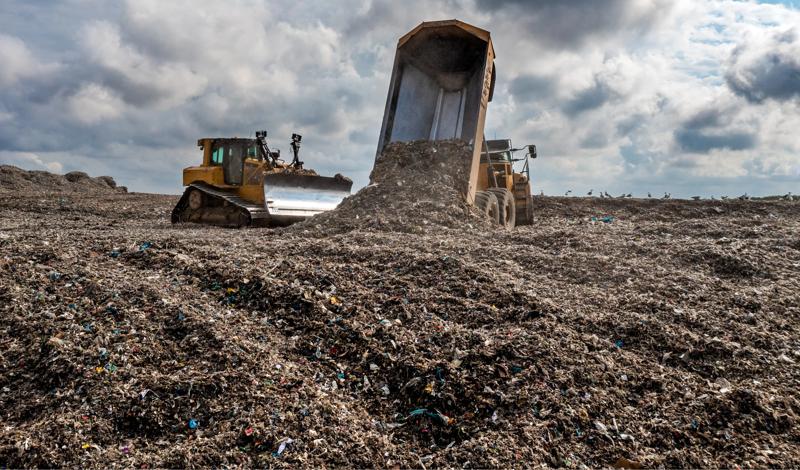
Contaminated land
Turning liability into opportunity
"Intersecting environmental law, corporate strategy, and land value, we cover the key legal issues and commercial considerations that any private sector business with contaminated or potentially contaminated land should have front of mind."Site remediation insights
From restoration to revenue
Unlocking the strategic value of Biodiversity Net Gain
"From quarrying to landfill, land-intensive industries can turn Biodiversity Net Gain obligations into a revenue stream, reduced compliance costs, and verifiable ESG credentials - but only with the right legal and ecological advice."Strategic value of BNG

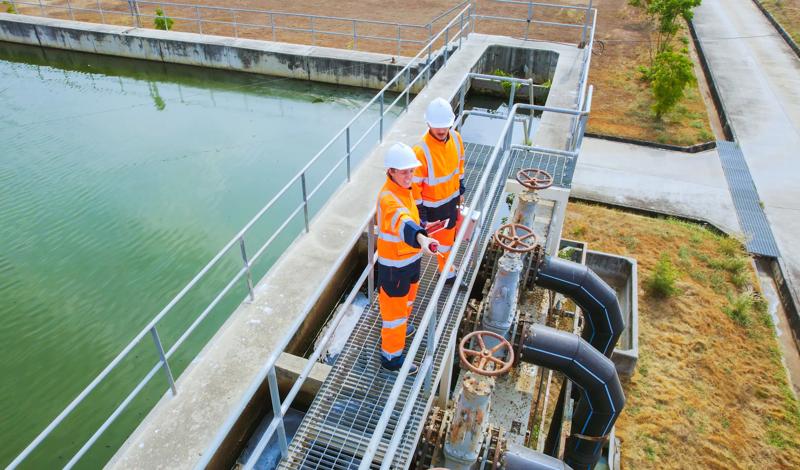
Waste operations and installations
What the OEP’s Inspection Review means for operators
"The OEP has published a landmark review of how the EA inspects waste operations, and for regulated businesses, the direction of travel is clear: greater scrutiny, greater transparency, and rising compliance standards."Guide for waste operators
Environmental permitting
A regime under pressure and in transition
"The environmental permitting regime is changing. Understanding the current system, its challenges, and the direction of reform is essential to managing risk and protecting commercial opportunity."Guide for businesses


ESG legal services
Whether advising FTSE-listed companies on environmental reporting, public bodies on responsible procurement or complex supply chain obligations, we translate rapidly evolving UK and EU regulation into actionable strategies.
Our cross-disciplinary approachConnect with our team

Tom Cressey
Partner

Ben Standing
Partner

Will Thomas
Partner

Richard Barlow
Partner

Bill Cordingley
Barrister (Senior Associate)

Jonathan Vickers
Legal Director
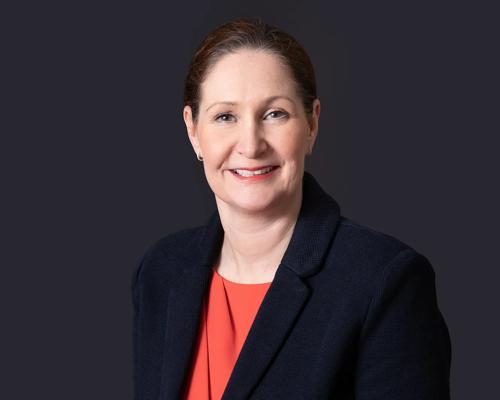
Zoe Stollard
Partner