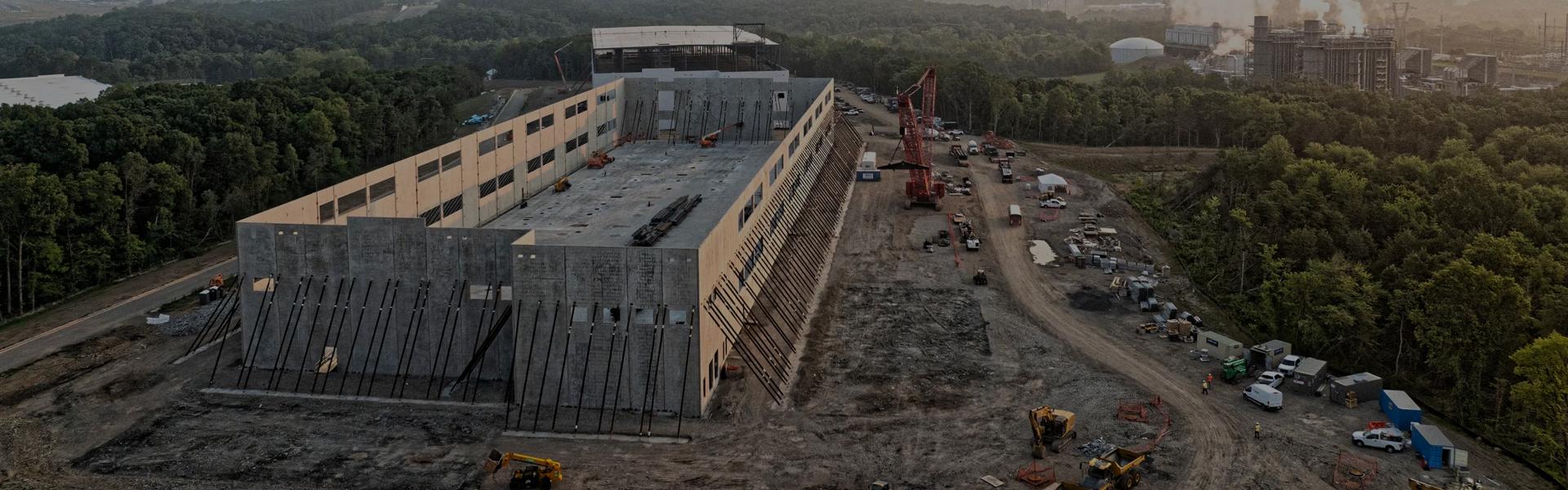
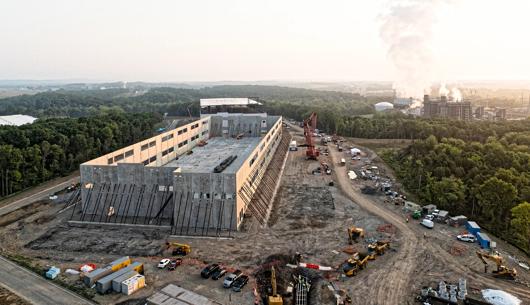
Data centres and on-site energy generation
AI is set to transform the UK economy, but realising its benefits requires resilient onshore data centre capacity. With over £370bn projected for global AI infrastructure investment in 2026, faster planning decisions are critical for the UK to compete. Current delays and uncertainty in the planning regime are hindering the build-out of data centres and their supporting infrastructure.
The Planning and Infrastructure Act addresses this by cutting red tape and increasing flexibility. The government has also announced additional specialist planning capacity, AI Growth Zones, and updated national planning policy to support data centres.
The core problem
Most data centres are consented under the Town and Country Planning Association (TCPA), but onsite energy generation - often necessary whilst awaiting grid connections - must, above certain thresholds, be consented separately under the Nationally Significant Infrastructure Projects (NSIP) regime. This split creates delays and fails to account for the operational dependencies between data centres and their energy infrastructure.
Proposed solution
- The Secretary of State's existing power to direct projects into the NSIP regime will be extended to data centres once regulations are made in January, enabling joint consent for data centres and energy generation.
- The Planning and Infrastructure Act will also allow the Secretary of State to direct projects out of the NSIP regime on a case-by-case basis, ensuring the most appropriate regime applies to each project.
- Secondary legislation to commence this redirection power will be brought forward at the earliest opportunity, accompanied by applicant guidance.
- A new draft National Policy Statement for data centres will be consulted on shortly.
Outstanding consultation question
In Annex A, the government is seeking views on whether these in/out redirection powers provide sufficient flexibility, or whether the Planning Act 2008 threshold for renewable energy generation co-located with a data centre should be raised - which would give developers upfront certainty that the TCPA regime applies.
195) Do you consider the planning regime, including reforms being delivered through the Planning and Infrastructure Act, provide sufficient flexibility for energy generation projects co-located with data centres to be consented under either the NSIP or TCPA regime?
Strongly agree with the urgent need to invest in data centres to facilitate the development of AI within the UK economy and public services. This is an area where a permissive and flexible planning system is required to help the UK become a global leader in adopting this technology.
It is positive that there is flexibility for data centres to be either consented under the NSIP or TCPA regime. This recognises the significant variation in scale and requirements of data centres.
While smaller scale, localised data centres can have their needs adequately met by existing energy infrastructure, others need increased energy certainty and wider energy infrastructure in order to operate effectively.
It should be for applicants seeking consent to construct data centres to understand what their specific needs are and how best these are met. However, there are clearly going to be significant benefits for the larger data centres to go through the NSIP regime as it will allow the large number of consents to be required to be obtained, and will make it much more likely that data centres will be constructed in a timely manner to meet UK economic need.


Will Thomas
Partner
will.thomas@brownejacobson.com
+44 (0)330 045 1361

National Planning Policy Framework 2026 published: Planning lawyers comment

CPO reform: Further key changes for acquiring authorities

CPO reform: A practical guide to the key changes

National Planning Policy Framework 2026 consultation: Browne Jacobson response
The plan-making policies

Decision-making policies

Achieving sustainable development

Conserving and enhancing the natural environment
Data centres and on-site energy generation

All change: The implications of planning reform upon regeneration projects

The Planning and Infrastructure Bill: Clause 45 compulsory training for members of local planning authorities

Comments on the Planning and Infrastructure Bill
New Homes Accelerator comment: Build new towns or expand existing cities?

Planning Reform Working Paper: Planning committees

Comments on the National Planning Policy Framework reform

Comments on the Prime Minister’s ‘Plan for Change’ speech

Comments on the government’s consultation into proposed reforms to the NPPF

Planning reform must be backed by more resources and streamlined processes

More on planning reforms: It’s all about the plan, isn’t it?

What is the grey belt? Analysing NPPF reform proposals

What to expect from the proposed changes to National Planning Policy Framework