

Bridget Tatham
Partner
Birmingham
bridget.tatham@brownejacobson.com
+44 (0)121 237 3916
Bridget leads the insurance injury team in Birmingham and is the firm’s co-chair of the D&I Committee and executive sponsor for Race. Highly regarded in the insurance market, Bridget supports health, local government, and commercial clients defend and find effective solutions to catastrophic and complex injury claims, including elder abuse, brain injury, asbestos-related diseases, and fatal accidents. Bridget’s advisory work connects clients to our regulatory and commercial practices.
Bridget is at the forefront of the firm’s D&I journey, working with the Social Mobility Foundation and other charities who are dealing with the impact of socio-economic inequalities, mental health, and racial bias. As executive sponsor for Race Bridget has championed our Black Mentoring Scheme, which supports aspiring Black lawyers gain access to mentoring, paid work experience and ongoing support.
Bridget acts for insurers, residential and domiciliary care providers, large corporates, and local authorities and sits on the National Executive Committee for the Forum of Insurance Lawyers. Bridget is regularly invited to speak at sector events on issues relating to risk and insurance.
Expertise
Featured experience
Complex HAVS claim
Advising on a complex HAVS claim spanning multi employers and insurers, where the issue of foreseeability of risk was successfully defended at trial with recovery of all defence costs.
Disease case
Advising on a disease case, redirecting the claim to the third party Occupational Health providers on the grounds of breach of contract, ensuring a small contribution for her client and recovery of the defence costs incurred.
Range of stress and bullying claims
Advising on a range of stress and bullying claims - examples of these claims range in value from a £15,000 bullying claim in employment, to a £500,000 stress at work claim combined with bullying on return to work - as pursued by a midwife keen on publicity.
Catastrophic personal injury
Catastrophic personal injury - partial amputation of the foot with consequent accepted job restrictions. Claimant sought damages in excess of £450,000 and had no intention to return to any form of employment despite rehabilitation. Surveillance evidence secured which established that, whilst the claimant clearly had an altered gait, he had adapted so that he could walk briskly and for considerable distances without any apparent discomfort. Claim settled at £50,000.
Testimonials
"Bridget is astute and can identify the strengths and weaknesses in complex cases quickly and efficiently. Bridget is an outstanding and tactical practitioner who is able to position her clients like a Chessmaster to achieve great results time after time. She is head and shoulders above a very good rest at the firm."
"A team with great judgment and impressive client skills even in the face of difficult and, on one occasion, fraudulent clients. Bridget Tatham … very impressive lawyers great judgment and tactical awareness, clear sighted, calm, firm and personable."
You may be interested in

27 October 2026
Blog
Black History Month, Westminster, and our commitment to race equality in the legal sector
23 April 2026
Press Release - Firm news
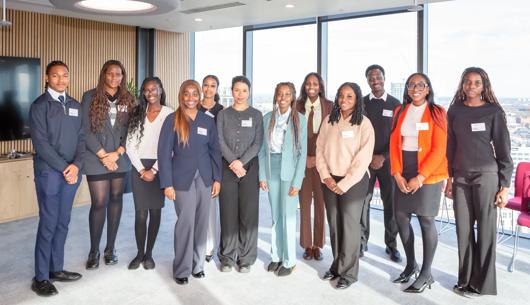
Browne Jacobson launches fifth cohort of REACH mentoring programme to support young Black lawyers

27 May 2025
Published Article
Andrew Walker, Bridget Tatham: The case for better risk management
07 April 2025
Press Release - Firm news
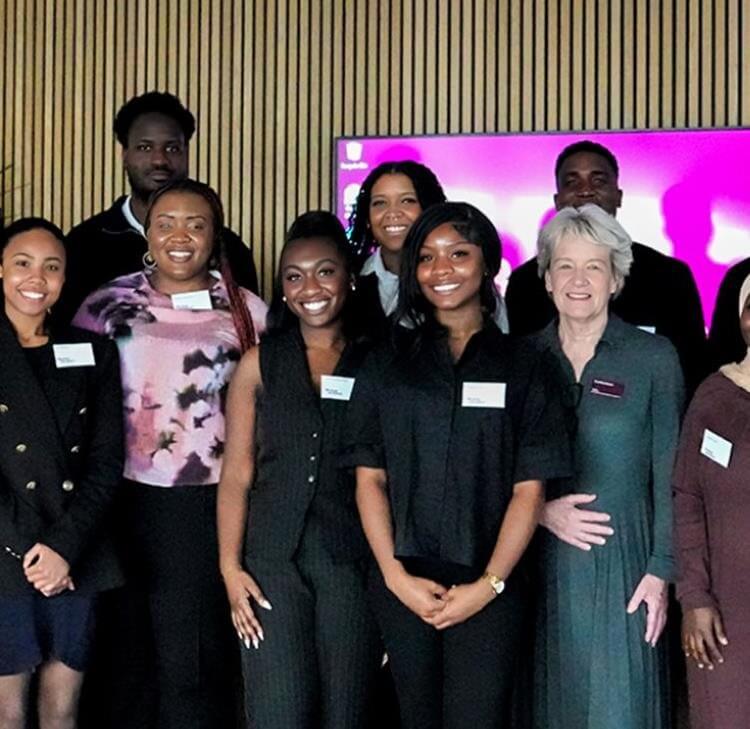
Browne Jacobson launches its 2025 REACH mentoring programme to support aspiring Black lawyers
02 April 2025
Press Release - Firm news
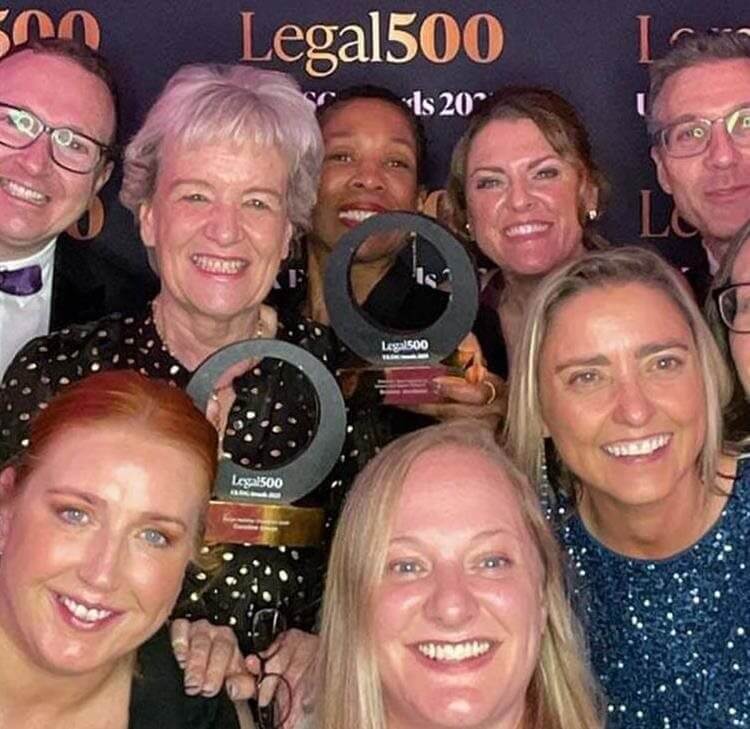
Double win for Browne Jacobson at Legal 500 ESG Awards

31 January 2025
Press Release
New report set out how councils need to strengthen risk management

14 October 2024
Legal Update
Balancing acts: Navigating the complex risks in adult social care provision
01 July 2022
On-Demand
What’s the right level of risk?
In this on-demand webinar our procurement, health and social care and risk experts will discuss ‘what’s the right level of risk’. They also discuss what can be done to mitigate risk.
06 May 2022
On-Demand
Pathways to devolution
The Levelling up White Paper establishes a new three-tier framework for devolution, with the offer of devolution for any area of England that wants it. Alongside the framework is a promise of greater autonomy and improved funding arrangements for those areas willing to go furthest with their devolution deals.